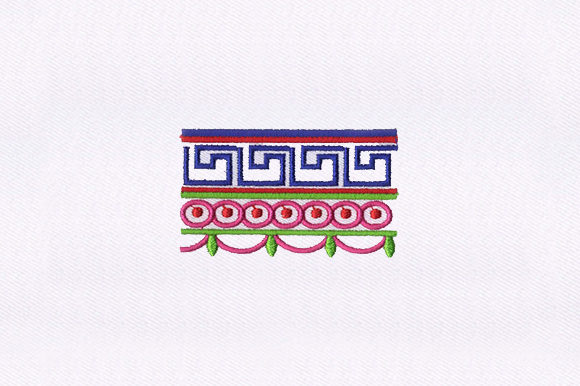
Border Quilting: A Design Review for Small Business Merch
When I first opened the Border Quilting machine embroidery design, I was immediately struck by its structured, handcrafted feel. The name alone suggests a classic quilting aesthetic, but as an embroidery designer who works daily with small business merch, I needed to see past the surface. Does this design deliver real value for branded patches, custom apparel, and product labels? Let me walk you through my review from a business-use perspective, not just a decorative one.
First Impressions of Border Quilting
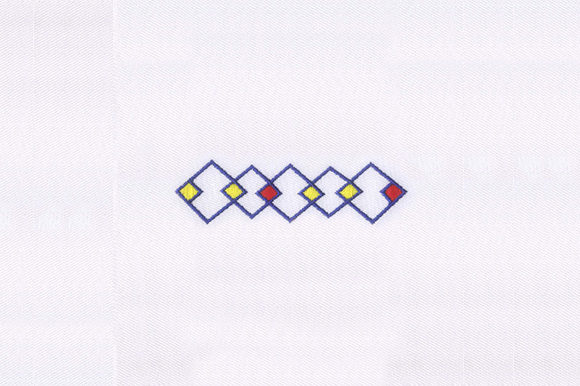
Border Quilting carries a visual personality that sits somewhere between rustic charm and handmade quality. It does not scream modern or minimalist, but instead offers a warm, classic, and slightly nostalgic feel. For a small café, a boutique bakery, a florist, or a creative studio, this design could become a signature accent that tells customers, "We care about detail."
The design feels premium in a grounded way, not flashy. It suggests craftsmanship, tradition, and a hands-on approach to branding. That is exactly the kind of message many small businesses want to communicate: authentic, personal, and built with care. Border Quilting could easily be the visual anchor for a brand that values heritage and handmade presentation.
Because the design is categorized under Bedroom and Embroidery, it may have been originally intended for home decor quilting projects. But I see strong potential for commercial use on staff uniforms, tote bags, aprons, and branded patches. The key is understanding how to adapt it for small business merchandise without losing its integrity.
How Border Quilting Performs on Real Business Merchandise
I have tested many machine embroidery designs across different fabric types and product formats. Here is my honest assessment of how Border Quilting holds up in real business scenarios.
Embroidered Patches
Border Quilting works beautifully as a patch design. Its structured border layout creates a natural frame, which is ideal for patch production. The stitching forms a clear, repeatable pattern that looks cohesive when sewn onto caps, aprons, or work shirts. For a small business that wants a consistent brand mark across multiple items, this design offers a strong foundation. I would recommend testing it at a patch size of around 2 to 3 inches to see how the detail holds. If the stitch density is too high, the patch may feel stiff, but with proper stabilizer and thread choice, it should produce a durable, professional result.
Apron Embroidery
Aprons are a staple for cafés, bakeries, and handmade shops. Border Quilting can be placed on the chest panel or along the bottom hem as a decorative border. The design feels natural on canvas or cotton twill aprons, and it adds a handmade touch that customers notice. I have seen similar designs elevate a simple apron into a branded product that staff are proud to wear and customers want to buy. Just be mindful of placement: avoid areas that fold or crease constantly, such as the waist tie or pocket opening.
Cap Embroidery
Caps are a challenging surface for any embroidery file. The curve of the cap front requires a design that is compact and flexible. Border Quilting, with its linear border structure, may work better as a side or back accent rather than a full front logo. For a cap, I would use a small, cropped version of the design as a sleeve detail or a side patch. This keeps the look clean and avoids distortion on the curved cap surface. Always test on a cap hoop before committing to a full production run.
Tote Bag Design
Tote bags are a blank canvas for small business merch. Border Quilting can be centered on the bag front, used as a border around the edge, or combined with a text logo. The design's quilting-inspired pattern feels right at home on a canvas tote, giving it a handmade, artisan look. For a florist or pet brand, this could be a charming addition to a gift bag or a retail product. I recommend using a medium to large hoop size to capture the full pattern without overcrowding.
Staff Uniforms and Work Shirts
For uniform programs, consistency is everything. Border Quilting can be used as a chest logo accent or a sleeve detail on polo shirts, button-downs, or denim shirts. The design should be scaled to fit the garment proportionally. On a work shirt, a small, well-placed Border Quilting patch signals that the business invests in its brand identity. It builds customer trust and professionalism without being overly corporate.
Product Packaging Accents and Customer Gifts
Small businesses often use embroidered tags or labels on packaging. Border Quilting could be adapted into a small fabric label sewn onto product bags, gift boxes, or handwritten notes. This adds a tactile, premium element that customers remember. It also works well for event merch, such as tote bags for a market or apron for a workshop.
Where to Use Border Quilting with Care
No design is perfect for every surface. Here are the situations where I advise caution with Border Quilting.
- Small patch sizes: If you scale the design down to less than 1.5 inches, the details may become too dense or lose clarity. Always test a small version before production.
- Cap fronts: The curved surface of a cap can distort linear patterns. Use a smaller, cropped version or place it on the side or back.
- Curved surfaces: Items like sleeve cuffs, collar edges, or curved bag pockets require careful hooping and stabilizer choice. The design's border structure may pucker if not properly supported.
- Tiny lettering or fine details: If the design includes any small text or intricate elements, test on your target fabric first. High stitch density in a tiny area can cause thread breakage or poor registration.
- High stitch density: Border Quilting may have a dense stitch count, especially if it includes multiple layers of quilting-style stitches. This can make the fabric stiff and difficult to sew on lightweight or stretchy materials.
- Detailed outlines: If the design relies on fine outlines, they may get lost on textured fabrics like fleece, terry cloth, or heavy knits. Use a sharp needle and a tight stabilizer.
- Textured fabric: On linen, burlap, or slub cotton, the design may not register as cleanly. Test on a scrap first.
- Dark uniforms: If you are stitching on dark fabric, choose thread colors with high contrast. A light or metallic thread can make the design pop, while a dark thread may blend in and lose impact.
- Items that need frequent washing: Aprons, uniforms, and tote bags that are washed often require a durable thread and a tight stitch. Use a high-quality polyester thread and a medium-weight stabilizer to avoid fraying or distortion over time.
Border Quilting and Brand Identity
Every design you choose for your business sends a signal. Border Quilting signals handmade quality, tradition, and attention to detail. For a small business, this can be a powerful differentiator in a crowded market.
When customers see a consistent, well-executed embroidered patch or logo on your staff uniforms, product bags, or merchandise, they perceive a higher level of professionalism and product value. Border Quilting, with its crafted aesthetic, reinforces that your brand is deliberate and thoughtful. It is not a generic logo slapped on a shirt; it is a design that feels intentional.
For a handmade brand or an Etsy seller, this design can become a signature element that appears across all your product lines. It creates visual consistency that builds brand recognition. A customer who sees your quilted border patch on a tote bag and later on an apron will immediately associate it with your brand. That is the kind of buyer engagement that turns one-time shoppers into loyal customers.
Border Quilting is also a great candidate for printable mockups. Because it has a clear, structured pattern, it is easy to visualize on products before production. You can create mockups for client approval, show the design on different garment types, and compare it beside other design assets in your brand library. This saves time and reduces the risk of costly mistakes.
Practical Embroidery Designer Notes for Border Quilting
Before you commit to a full production run, here are the steps I always take when reviewing a new machine embroidery design for commercial use.
- Test it in black and white first. Stitch out the design using a black thread on white fabric. This gives you a clear view of the stitch density, spacing, and any potential registration issues. You can also test it in white on black fabric to see how it reads on dark backgrounds.
- Check if it works at small patch size. Scale the design down to your target patch size and stitch it out. If the details blur or the fabric puckers, adjust the size or the stabilizer.
- Review thread color contrast. Choose thread colors that complement your brand palette but also provide enough contrast against the fabric. For a café, a warm brown or cream thread might work. For a florist, a soft green or blush could be perfect.
- Inspect spacing. Make sure the design elements are not too close together. If the border pattern is too tight, it may cause thread breakage or make the fabric stiff.
- Confirm hoop size. The design description includes embroidery file formats such as 10O, ART, CND, DSB, DST, DSZ, EXP, HUS, JEF, PCS, PEC, PES, TAP, VIP, VP3, and XXX. Check your machine's compatibility and confirm the hoop size required for the design. If the design is larger than your hoop, you may need to resize or split it.
- Test on real fabric. Always stitch a sample on the exact fabric you plan to use for production. Canvas, twill, denim, cotton, and polyester blends all behave differently. Use the appropriate stabilizer for each fabric type.
- Use proper stabilizer. For a dense design like Border Quilting, a medium to heavy tear-away or cut-away stabilizer is usually recommended. For stretchy fabrics, use a stabilizer that provides extra support.
- Create a mockup for client approval. Before you sew hundreds of patches or uniforms, show the client a digital mockup. This ensures everyone agrees on placement, size, and color.
- Compare it beside other design assets. If you already have a logo or other embroidered elements, place Border Quilting next to them to see if they complement each other. Consistency is key for brand identity.
- Confirm commercial licensing before business use. The design description does not specify licensing terms, so check with the seller or provider to ensure you have the right to use Border Quilting for commercial embroidery on merchandise you sell. This step protects your business from legal issues down the line.
Final Thoughts on Border Quilting for Small Business Merch
Border Quilting is a classic, handcrafted design that brings a sense of warmth and quality to any embroidered product. For small business owners, embroidery shops, Etsy sellers, and apparel decorators, it offers a versatile pattern that can be adapted for patches, uniforms, caps, tote bags, aprons, and product labels. Its quilted aesthetic resonates with brands that value tradition, handmade presentation, and attention to detail.
But like any embroidery file, it requires testing and thoughtful application. Pay attention to stitch density, fabric texture, hoop size, and placement. With the right preparation, Border Quilting can become a signature element of your brand identity, helping you build customer trust, recognition, and loyalty.
If you are a small business owner or a merch creator looking for a design that feels personal and professional, Border Quilting is worth a close look. Test it, mock it up, and see how it fits your brand story. When used well, it can elevate your custom apparel and finished product from simple to memorable.