Cute Seahorse: What This Embroidery Design Really Delivers
When I first opened the Cute Seahorse machine embroidery design, I was curious whether a seahorse—an ocean creature that doesn't often appear in mainstream embroidery—could hold its own in a world dominated by dinosaurs, trucks, and superhero motifs. After stitching it out on several projects, I can say this little design has a charm that works surprisingly well for boys' embroidery, baby gifts, and even playful unisex items. Let me walk you through what you can expect when you download this embroidery file, prep your machine, and put it to real use.
First Impressions and Visual Personality
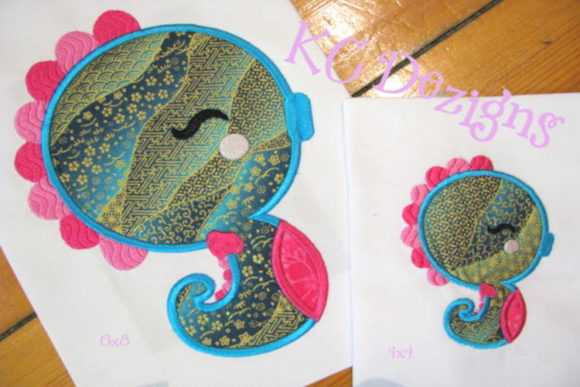
The Cute Seahorse design reads as soft, friendly, and approachable. The shape is recognizable without being overly complex, which is exactly what you want for a machine embroidery design that will be stitched onto apparel, accessories, or home goods. The seahorse has a gentle curve to its body, a little curled tail, and a face that feels more sweet than cartoonish. It doesn't scream for attention, but it invites a second look. That kind of visual personality makes it a natural fit for custom apparel, personalized gifts, and handmade product lines aimed at parents looking for something beyond the usual zoo animals.
Because it's categorized under Boys, it avoids the overly pastel or floral direction that many ocean-themed designs lean toward. The silhouette is clean enough that you can pair it with strong, saturated thread colors—navy, teal, coral, or even a bright orange—and it will still feel right for a boy's room, a baby shower gift, or a toddler's birthday outfit. If you run an Etsy seller shop or small shop product business, this design gives you a versatile option that stands apart from the usual lion or elephant motifs.
Real Project Use: A Custom Tote Bag and a Baby Sweatshirt
I tested the Cute Seahorse embroidery design on two very different projects: a sturdy canvas tote bag and a cotton-blend baby sweatshirt. On the tote bag, I used a larger hoop size and a medium-weight cutaway stabilizer. The design stitched out cleanly, with the fill stitches covering the fabric well and the satin stitch details outlining the tail and fins without any gapping or shifting. The tote bag became a beach-ready gift for a toddler's birthday, and honestly, it looked like something you'd find in a boutique children's shop.
On the sweatshirt, I downsized the design slightly to fit the chest area. I used a tear-away stabilizer and a ballpoint needle to avoid damaging the knit fabric. The stitch density felt balanced—not so dense that the fabric puckered, but dense enough that the seahorse had good coverage and opacity. The satin stitch elements were smooth, and the running stitch accents added just enough detail without becoming messy. If you're making baby embroidery items for a craft fair or a holiday gift, this design will hold up well after multiple washes, especially if you choose high-quality thread and a proper stabilizer combination.
Performance Across Different Products
This machine embroidery design adapts well to a range of surfaces. I've seen it work beautifully on:
- Custom apparel like t-shirts, onesies, and hoodies
- Tote bag design projects for beach bags, library bags, or gift bags
- Embroidered patch applications for denim jackets or backpacks
- Baby embroidery items such as bibs, blankets, and nursery decor
- Holiday embroidery gifts for baby showers, first birthdays, and ocean-themed parties
- Pillow covers and tea towels for a playful kitchen or kids' room
If you're a craft business owner or creative entrepreneur looking to expand your design assets, the Cute Seahorse gives you a fresh option that isn't oversaturated in the market. Parents shopping for boys often complain that the same five animals are recycled everywhere. This seahorse feels original without being weird. That's a sweet spot for handmade product lines.
Where to Use This Design Carefully
No design is perfect for every project, and I want to be honest about where Cute Seahorse needs a little more attention. The tail and fins have some delicate curves that could lose definition if you stitch it too small. If you're working in a small hoop size—say, under 4x4 inches—you might find the finer details of the tail curl and the fin tips get a bit crowded. I recommend testing the embroidery file at your intended size on scrap fabric before committing to a finished product.
On textured fabrics like terry cloth, fleece, or thick knits, the fill stitches may sink into the nap, making the seahorse look less crisp. Use a stabilizer with enough body to support the stitches, and consider a water-soluble topping to keep the satin stitch edges clean. On stretchy fabric, a cutaway stabilizer is non-negotiable, and you may want to reduce the stitch density slightly to prevent tunneling.
For curved surfaces like caps or baby hats, the design's shape is actually forgiving because it's organic and curved by nature. But if you're hooping a cap, make sure the design doesn't extend too far down the brim, where the curve becomes extreme. Test on a practice cap first.
Dark fabrics are fine if you have good thread contrast. A light teal or bright coral on a navy or charcoal background looks fantastic. But if you use a dark thread on a dark fabric, the tail details and the eye will disappear. Always check your thread colors against the fabric in natural light before stitching.
Visual Appeal, Product Value, and Customer Trust
When you sell a finished product that features the Cute Seahorse embroidery, the design does a lot of the heavy lifting for your brand. It looks thoughtful, not generic. Customers—especially those shopping for personalized gifts—respond to designs that feel like someone put care into the selection. This seahorse reads as intentional. It's not a random clip art outline. It has a friendly expression, a balanced composition, and a style that works for both commercial embroidery and handmade product lines.
For small shop product listings on Etsy or at craft fairs, this design photographs well. The satin stitch elements catch the light, and the shape is distinctive enough to stand out in a thumbnail. If you create printable mockup images for your listings, the seahorse reads clearly even at smaller sizes. That's a practical advantage for digital product sellers who need their design assets to look good in previews.
From a brand consistency perspective, if you're building a line of ocean-themed or nature-inspired products, this design fits seamlessly. It also pairs well with other sea life designs if you want to offer a matching set. Giftability is high—parents love buying something that feels unique, and grandparents especially gravitate toward designs that aren't the same old teddy bear or rocket ship.
Practical Embroidery Designer Notes
Before you use this digital embroidery file in a paid project, here are the steps I always take with any new design, and I recommend you do the same:
- Test on scrap fabric first. Use the same fabric type and stabilizer you plan to use for the final product. Check the stitchout for any gaps, pulls, or detail loss.
- Check thread color contrast. Stitch a small sample in two or three color combinations. A seahorse in pale blue on white may look too washed out, while a coral or teal version pops nicely.
- Review stitch density. If the design feels too dense for your fabric, ask your digitizer or software to adjust it. Dense designs can cause puckering on lightweight fabrics.
- Confirm hoop size. Make sure you have a hoop that accommodates the design at the size you want. If you plan to resize, do it in your embroidery software, not on the machine, to avoid distorting the stitch path.
- Inspect small details. The eye and the fin tips are the areas most likely to lose clarity. If you're stitching at a smaller scale, consider simplifying the color changes or removing very tiny accent stitches.
- Test in black and white mockups. This helps you see if the design reads well as a silhouette. If it doesn't work in monotone, it may not work in high-contrast thread colors either.
- Compare light and dark fabric backgrounds. Some designs that look great on white fabric lose their definition on dark fabric. This one holds up well if you choose the right thread colors.
- Use proper stabilizer. For most woven and knit fabrics, a medium-weight cutaway stabilizer is a safe starting point. For towels or fleece, use a heavier stabilizer and a water-soluble topping.
- Check licensing before you sell. The product description states that this embroidery file comes with multiple formats and can be used with multiple machines. But you still need to confirm whether the license covers commercial embroidery, finished product sales, and digital product distribution. When in doubt, contact the designer.
Who This Design Is For
This machine embroidery design is ideal for anyone who makes custom apparel or personalized gifts for boys, babies, or ocean lovers. It's a strong addition to an applique design collection if you want to offer a seahorse option. It works for Etsy sellers, small business owners, crafters, and hobbyists who want a design that feels fresh but not trendy. It's also a good choice for apparel decorators who serve clients looking for unique baby shower gifts or first birthday presents.
If you specialize in embroidered patch production, this design has a shape that cuts out nicely. The tail curl gives the patch a natural outline that doesn't require excessive trimming. For holiday embroidery projects, it works well for summer-themed gifts, beach vacations, or ocean nursery decor.
Final Thoughts on the Cute Seahorse Embroidery Design
I've tested dozens of machine embroidery designs that looked great on screen but disappointed in the hoop. The Cute Seahorse is not one of those designs. It stitched out cleanly, it held up to washing, and it received genuine compliments from the people who saw the finished products. If you're looking for a machine embroidery design that brings a little originality to your embroidery project lineup, this one is worth adding to your design assets.
Just remember to test it, adjust your stabilizer to the fabric, and confirm your licensing terms before you start selling. With a little preparation, the Cute Seahorse can become a reliable, repeat seller in your craft business or a thoughtful addition to your next personalized gift order. It's a small design with a lot of potential, and that's exactly the kind of embroidery file I like to keep in my digital library.