Happy New Year Gift Box Unboxing Redwork Review
When I first opened the Happy New Year Gift Box Unboxing Redwork machine embroidery design, I immediately saw potential for small business owners looking to add a celebratory, handcrafted touch to their merchandise. As an embroidery designer who has reviewed hundreds of digital embroidery files for commercial use, I approach every design with a simple question: will this help a brand look professional, memorable, and consistent across apparel and products? This design offers a clear answer, but only if you understand its strengths and limitations before you stitch it onto a cap, apron, or tote bag.
First Impressions: A Handmade, Celebratory Aesthetic
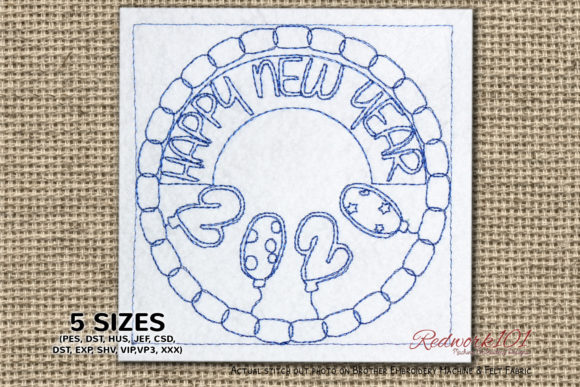
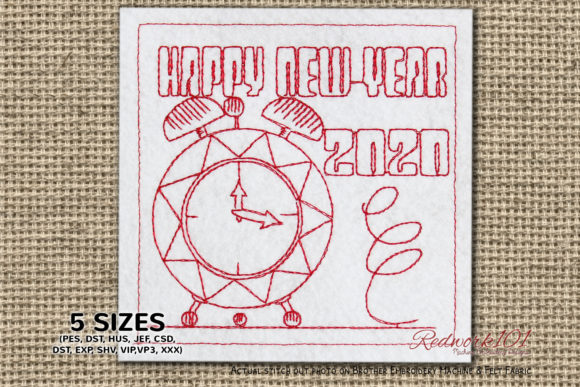
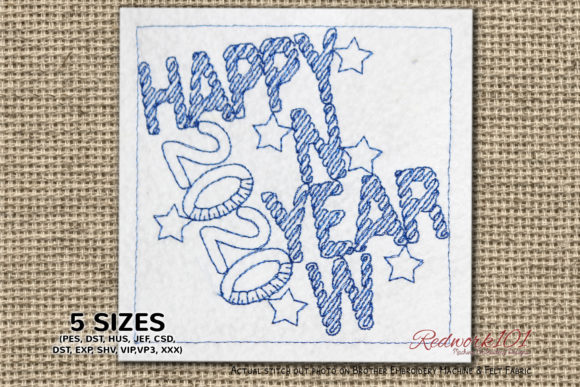
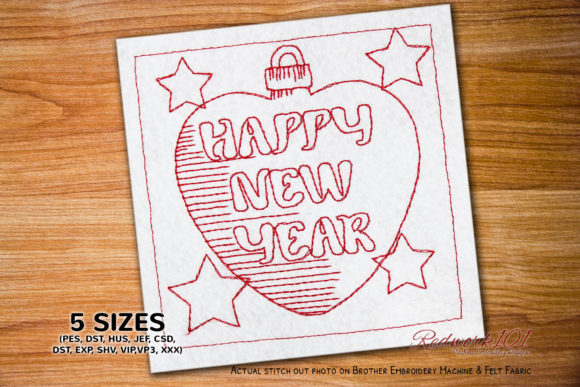
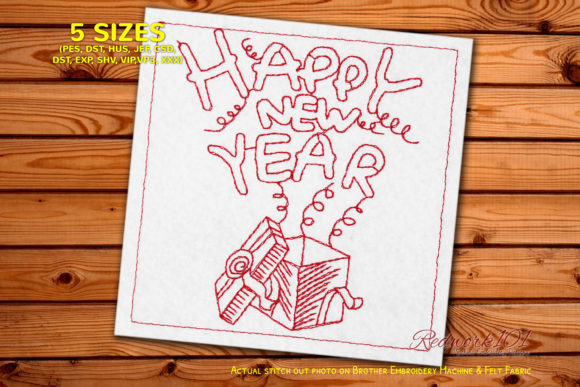
The Happy New Year Gift Box Unboxing Redwork embroidery file carries a charming, handmade feel that leans toward rustic elegance rather than flashy modern graphics. The redwork style—traditionally stitched in red thread on a light background—gives this design a classic, storybook quality. It feels friendly and approachable, perfect for a small bakery, a local florist, a creative studio, or a boutique that wants to offer seasonal merchandise without losing its handcrafted brand identity. The gift box unboxing motif suggests surprise, generosity, and celebration, which makes it a natural fit for event merch, customer gifts, and limited-edition product runs.
However, the product description notes that the Box Stitch shown in the picture is optional. This is critical information for any business owner or embroidery shop planning to use this design. The optional Box Stitch adds a structural border around the design, but it can be skipped to create a more open, airy look. Additionally, the color of the outer box varies in most versions—it is not always part of the design itself. This means you have flexibility to match the box color to your brand palette, but you must also be prepared to test thread colors carefully before committing to production.
Business Applications: Where This Design Shines
For small business merchandise and branded patch use, the Happy New Year Gift Box Unboxing Redwork works best when applied thoughtfully. Here are the applications where I see the strongest return on investment for apparel decorators, Etsy sellers, and handmade brands:
- Embroidered patches: This design translates well into a patch format, especially if you skip the optional Box Stitch and let the redwork lines stand alone on a twill or felt backing. Patches can be sewn onto aprons, caps, or tote bags as a removable or permanent brand accent.
- Apron embroidery: For a café, bakery, or florist, placing this design on a chest pocket or lower apron panel creates a warm, inviting staff uniform that feels personal and seasonal.
- Cap embroidery: The design works on a cap front if scaled appropriately, but you must watch the stitch density. Redwork tends to be line-based, which helps keep the design light enough for curved cap surfaces.
- Tote bag design: A tote bag is an ideal canvas for this motif. The unboxing theme aligns with gift-giving, making it a great option for retail packaging or customer thank-you items.
- Product packaging accents: Small embroidered patches or labels featuring this design can be attached to product packaging, adding a handmade touch that boosts perceived value.
- Event merch: New Year promotions, anniversary sales, or seasonal markets benefit from a celebratory design that feels exclusive and timely.
For small business owners, this design communicates thoughtfulness and attention to detail. It is not an aggressive logo—it is a soft, friendly mark that invites customers to feel part of something special.
Where to Use This Design with Caution
Not every application suits the Happy New Year Gift Box Unboxing Redwork embroidery file. As an experienced designer, I urge you to consider these limitations before you stitch:
- Small patch sizes: If you plan to create a patch smaller than 2.5 inches, the fine redwork lines may become crowded or lose definition. Always test at your intended size before running a batch.
- Cap fronts: Curved surfaces require low stitch density and flexible backing. This design's redwork style is generally forgiving, but if you keep the optional Box Stitch, the added density may cause puckering on a cap.
- Detailed outlines: The design relies on clear outlines. On textured fabrics like fleece, terry cloth, or heavy canvas, those fine lines may sink into the fabric and appear blurry. Use a dense, smooth fabric for best results.
- Dark uniforms: Redwork traditionally uses red thread on white or cream fabric. If your brand uniforms are dark, you will need to reimagine the color palette. A white or metallic thread on a dark background can work, but the redwork charm is partially lost. Test contrast carefully.
- High stitch density concerns: While redwork is generally light, the optional Box Stitch can add unnecessary density. If you are embroidering on lightweight apparel or items that need frequent washing, skip the box stitch to reduce shrinkage and thread breakage.
- Frequent washing: Items like aprons, staff shirts, and tote bags that are washed often will benefit from a design with moderate stitch count. Redwork lines are typically thin, which helps them hold up better than dense fills, but always use quality stabilizer.
How This Design Affects Brand Identity and Customer Trust
Every embroidered detail on your merchandise influences how customers perceive your business. The Happy New Year Gift Box Unboxing Redwork design, when executed well, reinforces a brand identity that is thoughtful, handmade, and community-oriented. It does not scream for attention—it whispers quality. For a small business owner, this is often more effective than a loud, corporate logo because it invites curiosity and conversation.
When customers see a finely stitched gift box motif on a staff apron or a product patch, they associate that care with the products you sell. It builds trust and recognition over time. For Etsy sellers and handmade brands, this design can become a signature element that sets your shop apart from mass-produced competitors. Consistent use of the same embroidery file across caps, totes, and packaging creates a cohesive visual identity that customers remember.
On the other hand, a poorly executed version—stitched too small, on the wrong fabric, or with thread colors that clash—can damage that same trust. A muddy, misaligned, or puckered design signals carelessness. That is why I always advise business owners to create a printable mockup first, test the design on actual fabric, and confirm the commercial licensing terms before investing in bulk production.
Practical Embroidery Designer Notes for Production
Before you send the Happy New Year Gift Box Unboxing Redwork machine embroidery design to production, here are the steps I recommend every embroiderer, apparel decorator, and small business owner take:
- Test it in black and white first. Print the design at your intended stitch size to see if the lines remain readable. Redwork relies on clear outlines, so if the black and white print looks muddy, the embroidery will too.
- Check if it works at small patch size. If you are targeting a patch under 3 inches, scale the design down in your digitizing software and run a test stitch to confirm that the needle can follow the fine paths without breaking thread.
- Review thread color contrast. The product description mentions that the outer box color often differs from the rest of the design. Choose a thread color that contrasts well with your base fabric. Red on white is classic, but a deep burgundy on cream or a bright coral on navy can also work beautifully.
- Inspect spacing and density. Redwork should have open, airy lines. If the design feels too dense, especially around the gift box lid or ribbon details, consider simplifying the motif or enlarging the hoop size.
- Confirm hoop size. The design may require a specific hoop size to maintain proportion. If you are working with a small hoop, verify that the file fits without distortion.
- Test on real fabric. Always run a test stitch on the exact fabric you plan to use for your merchandise. A test on felt or cotton muslin will not reveal how the design behaves on a cap front, apron twill, or tote bag canvas.
- Use proper stabilizer. For redwork on apparel, a medium-weight tear-away stabilizer is usually sufficient. For patches or heavy fabrics, consider a cut-away stabilizer to prevent distortion over time.
- Create a mockup for client approval. If you are an embroidery shop producing for a client, provide a digital mockup showing the design on a cap, apron, or tote bag. This avoids surprises and builds trust.
- Compare it beside other design assets. If your brand already uses a logo or other embroidery files, place this design next to them to ensure visual harmony. The unboxing motif should complement, not compete with, your existing brand identity.
- Confirm commercial licensing. Before using this design for any business merchandise, check the license terms that came with your digital embroidery file. Some files allow unlimited commercial use, while others require a separate commercial license. Do not assume—verify.
Bringing It All Together: Is This Design Right for Your Business?
The Happy New Year Gift Box Unboxing Redwork embroidery file is a thoughtful, versatile design that can elevate small business merchandise, branded patches, and custom apparel when used correctly. Its redwork style gives it a timeless, handmade feel that resonates with customers who value craftsmanship and authenticity. For a café, boutique, bakery, florist, or creative studio, this design can become a seasonal signature or a year-round brand accent.
That said, it is not a one-size-fits-all solution. The optional Box Stitch, the variable outer box color, and the fine line detail require careful planning, testing, and execution. If you are an embroidery shop or apparel decorator, take the time to walk your clients through these considerations. If you are a small business owner or Etsy seller, invest in a test stitch before you commit to a full production run.
When every detail is aligned—the right fabric, the right thread, the right size, and the right stabilizer—this design will serve as a beautiful, professional addition to your brand identity. It will help your merchandise feel intentional, your uniforms look cohesive, and your customers feel valued. That is the kind of detail that turns a one-time buyer into a loyal supporter of your handmade brand.