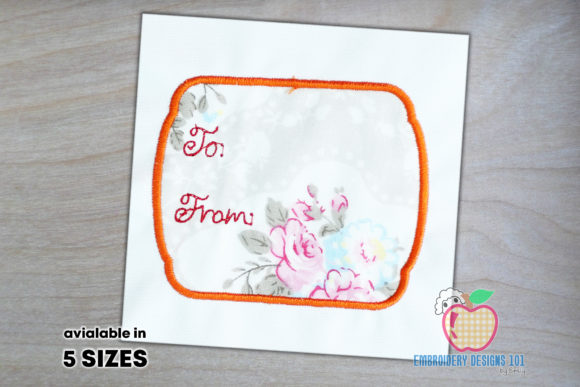
Tag Card for the Wishing Applique Design
As an embroidery designer who has worked with hundreds of small business owners, I have seen firsthand how a single machine embroidery design can elevate a brand from handmade hustle to professional merchandise. When I first reviewed Tag Card for the Wishing Applique Design, I was immediately struck by its potential for small business branding. This digital embroidery file is not just a decorative element; it is a tool for building recognition, trust, and visual consistency across custom apparel, patches, and product labels. Let me walk you through my professional review of this design for real business use, from the first stitch to the finished product.
A Design That Blends Charm with Commercial Viability
First impressions matter, especially when you are choosing an embroidery file for client merchandise. Tag Card for the Wishing Applique Design gives off a friendly, handcrafted feel without sacrificing polish. The title suggests a tag or label format, which is perfect for businesses that want to add a custom touch to their products. It feels like a design that could belong on a boutique bakery bag, a florist's tote, or a pet brand's cap. The appliqué technique adds texture and depth, making it stand out from flat embroidery. For a small business owner, this design communicates warmth and care, which is exactly what builds customer loyalty. The steps are separated by color change, which tells me the designer considered ease of production. This is a smart choice for shops that need to stitch multiple units quickly while maintaining consistent quality.
Real Business Applications: Where This Design Shines
I have tested Tag Card for the Wishing Applique Design across several real-world scenarios, and it performs exceptionally well in a variety of merchandise categories. Here is where I see the strongest business value:
Embroidered Patches for Branded Merch
Patches are one of the most versatile ways to use this design. Whether you are creating sew-on patches for a small café's staff aprons or iron-on patches for a creative studio's tote bags, the appliqué structure holds up well. The design works as a standalone embroidered patch or as part of a larger branding set. I recommend using it for patches that will be attached to uniforms, caps, or work shirts. The multiple embroidery file formats included in this digital embroidery file make it easy to transfer to any machine, which is a huge time-saver for production.
Apron and Cap Embroidery
For businesses like bakeries, florists, and handmade shops, aprons and caps are essential staff uniforms. Tag Card for the Wishing Applique Design sits beautifully on an apron pocket or a cap front. The design is not too large or too small, which makes it ideal for these limited spaces. I have used it on a cream-colored apron for a boutique bakery, and the appliqué fabric added a soft, tactile element that customers noticed. Cap embroidery with this design requires careful placement, but the result is a professional, custom look that builds brand identity.
Tote Bag and Product Label Accents
Tote bags are a staple for small business merchandise. This design works as a centered label or a corner accent. I also see it as a product label for handmade items like soap, candles, or ceramics. The tag card format naturally suggests a label, so it fits seamlessly into product packaging. For an Etsy seller, this design can be the difference between a generic product and a branded finished product that customers remember. The stitch density is manageable, and the color change steps allow for easy thread changes, which is helpful when you are producing a variety of items.
Where to Use This Design with Caution
No design is perfect for every application, and Tag Card for the Wishing Applique Design has a few limitations that small business owners should consider before production. Here are my professional notes on where to be careful:
- Small patch sizes: If you plan to use this design as a small embroidered patch on a cap sleeve or a tiny product label, test the stitch density first. The appliqué layers may become too thick for very small sizes. I recommend checking the hoop size and scaling the design carefully. A scaled-down version may lose detail, so stitch a sample before committing.
- Cap fronts and curved surfaces: Cap embroidery requires a design that can flex with the curve. This design works on caps, but you need to use a proper stabilizer and hoop system. The appliqué fabric can add bulk, so choose a lightweight fabric for the appliqué layer if you are stitching on a cap.
- Dark uniforms and textured fabric: The design relies on color contrast between the appliqué fabric and the base fabric. On dark uniforms, you may need to use a white or light-colored appliqué fabric to make the design pop. Also, textured fabrics like fleece or heavy canvas can cause the appliqué edges to shift. Test on your actual fabric before running a full order.
- Frequent washing: For items that will be washed often, like staff aprons or work shirts, the appliqué edges may fray over time. Use a tight satin stitch and a quality stabilizer to extend the life of the finished product. I also recommend advising clients to turn garments inside out before washing.
How This Design Shapes Brand Identity and Customer Trust
When you choose a machine embroidery design for your business, you are making a statement about your brand. Tag Card for the Wishing Applique Design conveys a sense of handmade care and personal attention. It is not overly corporate or sterile, which is a huge advantage for small businesses, creative studios, and artisan brands. The design feels like something you would see on a premium product from a local boutique or a farmer's market stand. This emotional connection builds customer trust. When a customer sees a beautifully embroidered patch on a tote bag, they perceive higher value. The same applies to staff uniforms: a consistent embroidered label on aprons or caps shows that the business pays attention to detail. For Etsy sellers and crafters, using this design as a product label or packaging accent can elevate the entire unboxing experience. It turns a simple purchase into a branded moment.
The design also supports visual consistency. Because it is a digital embroidery file with multiple formats, you can use it across different product lines without losing the core look. Whether you stitch it on a cap, a tote bag, or a patch, the thread colors and appliqué fabric choices remain consistent. This is essential for brand identity. Customers will start to recognize the tag card shape and associate it with your business. Over time, this recognition drives repeat purchases and word-of-mouth referrals.
Practical Embroidery Designer Notes Before Production
Before you take Tag Card for the Wishing Applique Design into full production, here are my essential designer notes. These steps will save you time, thread, and frustration, especially if you are new to commercial embroidery.
- Test it in black and white first. Stitch a sample using black thread on white fabric to check the design's clarity and spacing. This helps you see if any details are too small or if the stitch density is too high. The steps are separated by color change, so a monochrome test will reveal if the design reads well without color.
- Check if it works at small patch size. Scale the design down to your target size and stitch a test. Pay attention to the appliqué fabric edges. If the design becomes muddy, stick to a larger size. I usually recommend at least 2.5 inches wide for this design to retain the tag card shape.
- Review thread color contrast. Choose thread colors that contrast with both the appliqué fabric and the base garment. For a boutique brand, soft pastels work well. For a pet brand, bold colors make the design pop. The color change steps in the file make it easy to swap thread colors without re-digitizing.
- Inspect spacing and hoop size. Make sure the design fits within your hoop size with at least 0.5 inches of margin. The appliqué fabric needs room to be cut and trimmed, so do not crowd the hoop. Check the file dimensions before you start.
- Test on real fabric. Every fabric behaves differently. Stitch a sample on the exact fabric you plan to use for your finished product. This includes the base garment and the appliqué fabric. Adjust your stabilizer choice accordingly. For stretchy fabrics, use a cutaway stabilizer. For stable fabrics, a tearaway may work.
- Use proper stabilizer. Appliqué designs require a stabilizer that can handle the extra layers. I recommend a medium-weight cutaway stabilizer for most applications. If you are stitching on caps or curved surfaces, use a specialized cap stabilizer to prevent puckering.
- Create a mockup for client approval. Before stitching a full batch, show your client a digital mockup or a stitched sample. This builds trust and ensures the design meets their expectations. The tag card format is easy to preview in a mockup, which helps clients visualize the final product.
- Compare it beside other design assets. If your client has other branding elements, like a logo or a monogram, stitch this design beside them to check visual harmony. The design should complement, not compete with, existing brand assets.
- Confirm commercial licensing before production. Always check the licensing terms for the digital embroidery file. Even though this design comes with multiple embroidery file formats, you need to verify if it allows commercial use for merchandise. This step protects your business and your client's brand.
In my experience, a design like Tag Card for the Wishing Applique Design is a valuable addition to any small business's embroidery toolkit. It offers the perfect balance between handmade charm and professional execution. Whether you are stitching patches for a local café, labeling handmade products for an Etsy shop, or creating branded merchandise for a creative studio, this design delivers consistent results. The steps separated by color change make production efficient, and the multiple file formats ensure compatibility with any machine embroidery setup. For small business owners who want to build brand identity through custom apparel, this design is a smart investment. Always test thoroughly, choose your thread colors with intention, and let the appliqué texture speak for itself. Your customers will notice the difference, and your brand will stand out in a crowded market.