Baby Fish: A Craft Fair Review for Handmade Sellers
If you are an embroidery business owner or an Etsy seller prepping for a weekend craft fair, you know the drill. You spend hours scrolling through digital embroidery file libraries, looking for that perfect blend of charm, stitchability, and sales potential. A design needs to look good on a screen, but it absolutely must sing in person. It needs to catch a customer’s eye from across a crowded booth and hold up under the scrutiny of a close inspection. I recently added Baby Fish to my production queue, and I want to share my honest, real-world review of this machine embroidery design from the perspective of a seasoned maker who has been through countless craft fair seasons.
First Impressions: Soft, Minimal, and Marketable
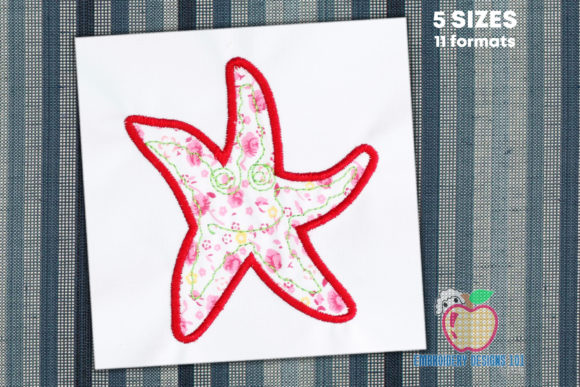
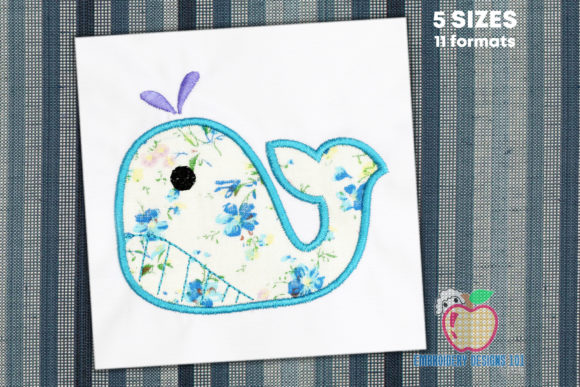
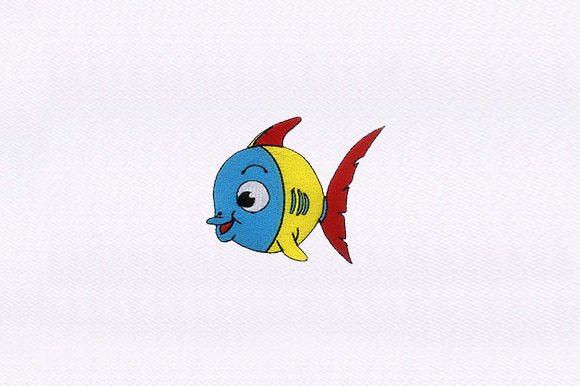
My first reaction to Baby Fish was that it is deceptively simple. It doesn’t try to be a hyper-realistic bass or a loud, cartoonish clownfish. It leans into a soft, whimsical, and modern aesthetic. This is a huge advantage. In the current handmade market, minimalist and Scandinavian-inspired designs are dominating categories like kitchen linens, nursery decor, and giftable accessories. This design feels like it belongs on a high-end linen apron or a soft organic cotton onesie. It is not a "shout from the rooftops" design; it is a "whisper in a coastal breeze" design. For sellers targeting the coastal grandmother aesthetic, modern nurseries, or eco-conscious shoppers, this embroidery file hits the mark perfectly.
Top Product Picks for Baby Fish
Not every design works on every product. I evaluate every machine embroidery design based on where it will generate the highest return on investment at a market. Here is where Baby Fish performs best.
Tote Bags, Market Bags, and Aprons
A single Baby Fish placed low on a sturdy canvas tote bag is a guaranteed conversation starter. It appeals to the customer who wants a subtle, artistic touch rather than a loud logo. For an apron, it works beautifully as a chest pocket detail or a small accent near the hem. Because the design is likely low in stitch count, you can batch out twenty tote bags in a single afternoon. This is a productivity dream for a small shop owner who needs to build inventory quickly. The tote bag design is simple, elegant, and fast to produce.
Tea Towels, Kitchen Linens, and Napkins
This is where Baby Fish truly shines. A French flax linen tea towel with a single Baby Fish embroidered in the corner is a $20 to $25 product at any craft fair. It feels premium, giftable, and artisan. The low stitch density means it will not overwhelm the delicate fabric texture of the linen. It is a classic tea towel embroidery project that sells consistently. I recommend using a soft teal, sage green, or warm terracotta thread to match the modern farmhouse or coastal kitchen look.
Patches, Pouches, and Caps
Because of its simple shape, Baby Fish makes an excellent embroidered patch. You can stitch it out, trim it close, and apply it to canvas pouches, kids' denim jackets, or simple drawstring bags. It is a high-margin add-on item for your booth. On a cap, it works best as a small side or front accent. Keep in mind that curved surfaces like caps require a sturdy stabilizer and careful hooping to ensure the design does not distort. Test this before you go to production.
Baby Gifts and Nursery Decor
The name says it all. Baby Fish is a natural fit for the baby shower gift market. Embroidered onesies, bibs, burp cloths, and crib pillow covers are perennial bestsellers. The design is soft enough to be completely gender-neutral, which is a massive selling point for modern parents. You can stitch it in pale pinks and blues, or go completely neutral with mustard yellow and charcoal. This flexibility makes it a valuable design asset for any handmade product line focused on gifts.
Production Notes: What to Test Before You Sew
I never take a new embroidery file straight to production without rigorous testing. Here are the practical realities you need to consider for Baby Fish.
Stitch Density and Fabric Texture
Always test the design on the exact fabric you plan to use. If Baby Fish is a filled design, check the stitch density. If it is too dense, it can cause puckering on lightweight fabrics like cotton voile or silk. On a highly textured towel, a delicate outline fish might get lost in the loops. If you are stitching on a thick towel, use a water-soluble stabilizer on top of the fabric to prevent the stitches from sinking. This is a critical step for maintaining stitch clarity.
Hoop Size and Batch Production
Check the native hoop size required for the design. If it fits comfortably in a 4x4 hoop, this is a goldmine for speed. You can line up twenty tea towels and run them in a fraction of the time it takes for a larger, denser design. The listing includes a wide range of formats: 10O, ART, CND, DSB, DST, DSZ, EXP, HUS, JEF, PCS, PEC, PES, TAP, VIP, VP3, XXX. This is excellent coverage. Whether you are stitching on a commercial Tajima or a home Brother machine, you are covered. Always open the file in your native software to confirm the stitch count and color sequence before you start.
Thread Colors and Contrast
Thread choice can make or break this design. Because it is a "Baby" fish, it might have small details like an eye or fins. If you are stitching on dark fabric, you need high contrast. A white or bright yellow thread will pop beautifully. On light fabric, a darker teal or navy blue will give it definition. I recommend stitching a test sample on a scrap of your base fabric to check the thread colors against the background. A low-contrast version of this design might look washed out on a booth table.
Scaling and Design Integrity
I will caution anyone against scaling this design down too aggressively. It is already a "Baby" fish. If you shrink it too much, those tiny fins or the eye will become a blurry, tangled mess. Stick to the designer’s recommended size, or scale it up slightly for a bolder statement on a tote bag design. If you scale it up, check the stitch density again. You may need to reduce the density to prevent the fabric from puckering.
Booth Display and Sales Strategy
Having a great product is only half the battle. You need to display it in a way that maximizes its visual appeal and drives customer engagement.
Photography for Online Listings
Baby Fish photographs beautifully as a flat lay because it is not bulky or overly dimensional. For your Etsy shop or Instagram, use props like a sprig of eucalyptus, a seashell, or a wooden spoon. Sell the lifestyle of the coastal kitchen or the serene nursery. A well-styled photo of a linen towel with this design instantly communicates quality and taste. This is a design that benefits from clean, bright, natural light photography.
Customer Engagement and Brand Building
In a physical booth, Baby Fish invites a specific kind of customer interaction. People will pick it up and say, "Oh, this is so sweet!" That is your cue. Engage them with the story of the design. Explain that it is machine embroidered on high-quality linen. A simple, charming design like this builds trust and reinforces your brand as a maker of thoughtful, artisan goods. It is a reliable craft fair product that appeals to the gift-buyer demographic.
Commercial Licensing Check
Before you sell a single finished product, confirm the commercial embroidery license terms. Most designers allow you to sell the physical items you make with their digital embroidery file, but it is your responsibility to check. This is a standard legal and ethical practice for any small shop product business. Do not assume; always verify. Respecting the designer’s license is part of being a professional in this industry.
Final Verdict: Is Baby Fish Worth Your Hoop Time?
Baby Fish is not a design that will appeal to every customer, and that is perfectly fine. It is a niche design for a specific aesthetic: minimalist, coastal, modern nursery, and whimsical kitchen decor. For the seller who specializes in high-quality, giftable, artisan goods, this machine embroidery design is a reliable, quick-to-produce asset. It is a conversation starter, a brand builder, and a genuine crowd-pleaser for the right customer. It performs exceptionally well on tea towels, tote bags, and baby gifts. It photographs well, stitches out cleanly if tested properly, and offers excellent profit margins due to its low stitch count and fast production time. I will be stitching a batch of these for my next show. Just make sure you test it, stabilize it, and display it in a way that lets its simple charm take center stage. It is a small design with serious sales potential.