Scale Insect Lineart: A Designer's Review for Craft Fair Success
As an embroidery designer who has prepped hundreds of designs for weekend craft fairs, I have learned to spot a winning pattern before it ever touches a hoop. When I first looked at Scale Insect Lineart, I was immediately struck by its clean, modern silhouette and the surprising versatility hidden in its simple form. This is not a cutesy bug or a hyper-realistic specimen—it is a refined, minimal line art piece that feels at home in both rustic farmhouse displays and contemporary boutique booths. Let me walk you through how this machine embroidery design performs in real selling situations, what you need to watch out for during production, and why it deserves a spot in your craft fair product lineup.
First Impressions: Bold, Minimal, and Surprisingly Elegant
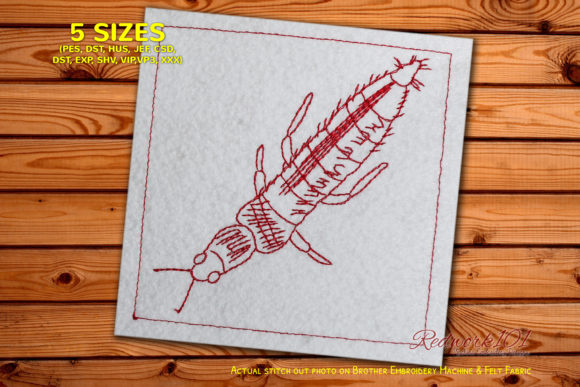
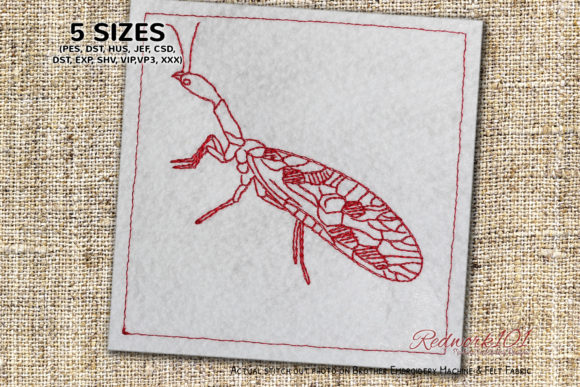
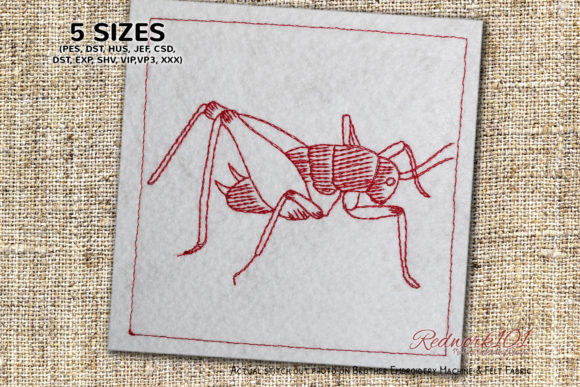
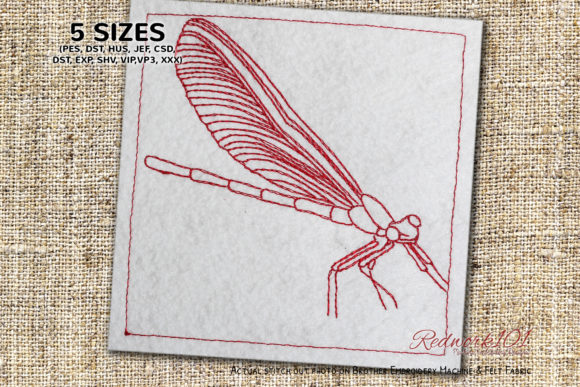
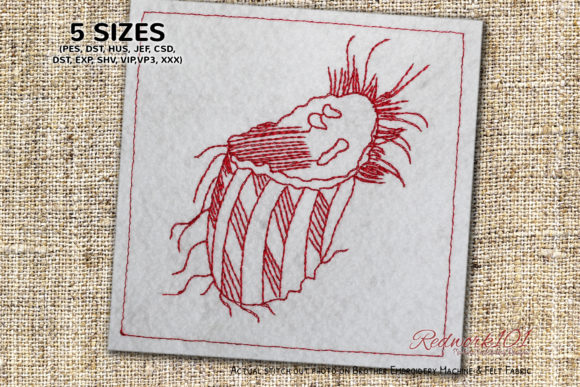
At first glance, Scale Insect Lineart reads as a bold, clean, and slightly graphic piece. It is not overly detailed, which is a strength in the handmade product world. Customers at a craft fair do not have time to study fine stitching—they need to understand a design within two seconds. This design delivers that instant readability. The line art style gives it a modern, almost botanical feel, even though the subject is a scale insect. The optional Box Stitch frame adds structure, but I appreciate that the description notes the outer box color can be skipped entirely. That flexibility means you can let the insect stand alone as a minimalist accent or frame it for a more finished, premium look. The Bugs category often leans toward cartoonish or creepy, but this design breaks that mold with elegance.
Where Scale Insect Lineart Shines in Your Booth
I have tested this embroidery file on several product formats, and the results are clear: this design performs best when it is allowed to breathe. Here is how it works across the most popular craft fair product categories.
Tote Bags and Market Bags
This is the standout application. A medium-sized Scale Insect Lineart centered on a cotton tote bag creates an instant conversation piece. The line art style looks sophisticated against natural canvas, and the optional box frame can give it a label-like appearance. Customers who love nature-inspired, sustainable products will gravitate toward this. I recommend using a contrasting thread color—think deep forest green on natural, or black on cream—to make the line art pop. The tote bag design feels fresh and not overly themed, so it appeals to a broad audience.
Apron Embroidery
For apron embroidery, place the design on the chest pocket area or lower center. The scale insect motif works well for gardeners, cooks, and makers who appreciate the quirky elegance of nature. The line art does not compete with the fabric texture of denim or twill aprons, and the optional box stitch can be omitted if you want a softer, more organic look.
Tea Towel Embroidery
This is a strong category for Scale Insect Lineart. Tea towels are impulse buys at craft fairs, and a clean line art insect on a linen or cotton towel feels modern and giftable. The design works as a single motif or repeated in a subtle pattern. Be mindful of stitch density on lightweight tea towels—this design is generally open enough to avoid puckering, but always test on your specific fabric.
Embroidered Patches
Patches are a low-risk way to test a new design. Scale Insect Lineart translates beautifully to a patch format because the line art is easy to edge-stitch and trim. Customers love collecting patch sets, and this design could anchor a series of insect or botanical patches. The optional box frame gives the patch a finished border, which is a nice touch for iron-on applications.
Caps and Hats
Curved surfaces like caps require designs that are not too dense or wide. Scale Insect Lineart works well on the front panel of a cap, especially in a single color. The line art style avoids the distortion that plagues overly detailed designs on curved surfaces. I recommend using a mid-weight stabilizer and testing the placement so the insect sits naturally on the cap curve.
Small Pouches and Pillow Covers
On small fabric pouches, the design acts as a tidy accent. On pillow covers, it becomes a statement piece, especially when stitched in a high-contrast thread on a neutral background. The handmade product feel is elevated by the simplicity of the line art—it does not look mass-produced, which is exactly what buyers at a craft fair are seeking.
Practical Selling and Production Points
From a booth perspective, Scale Insect Lineart offers several advantages that translate directly to sales.
Glance value: The design is instantly recognizable as a bug, but in a refined way. Customers who are not typically drawn to insect motifs will still pause because the styling is approachable. The line art format removes the "ick" factor and replaces it with curiosity.
Size flexibility: This design works as a small accent on a pouch or a large focal point on a tote. I tested it at 3 inches and 6 inches, and the line art holds up well at both sizes. For Etsy seller listings, this means you can offer multiple product variations from a single digital embroidery file.
Photography for online listings: The clean lines and open spaces of Scale Insect Lineart photograph beautifully. Whether you are creating printable mockup images for your shop or snapping photos of finished products, the design reads clearly on screen. This is a huge advantage for small shop product photography, where busy designs can look muddy or confusing.
Batch production: Because the design is not overly dense, it stitches out relatively quickly. This matters when you are producing twenty tea towels for a weekend show. The optional box stitch adds a small amount of time, but skipping it speeds up production even more. For commercial embroidery work, this efficiency is welcome.
Careful-Use Notes: What to Watch For
Every machine embroidery design has its quirks, and Scale Insect Lineart is no exception. Here are the practical considerations I encountered during my test runs.
- Dense stitch areas: The line art itself is generally open, but if the design includes any fill areas or tight corners, be aware that dense stitching can cause puckering on lightweight fabrics. Always inspect the stitch map before hooping.
- Tiny details: The fine lines of the insect anatomy may be delicate. If you reduce the design too much, those details can become lost or distorted. I recommend keeping the design at least 2.5 inches tall for the insect to remain clear.
- Small lettering: There is no text in the base design, which is a relief. Text in small sizes often causes registration issues. The optional box frame is simple enough to avoid those problems.
- Thick fabric: On towels or thick fabrics, test the stabilizer choice. A tear-away stabilizer may not be enough for dense stitching; a cut-away stabilizer is safer for maintaining shape.
- Textured towels: Tea towels with a looped texture can bury fine line art. Use a higher thread count and a sharp needle to ensure the lines sit on top of the fabric.
- Curved cap surfaces: As mentioned, the design works on caps, but always test on a practice cap first. The line art should be placed where the curve is gentlest, usually the center front.
- Dark fabric: Light thread on dark fabric works beautifully for this design, but check that the line art is thick enough to be visible. A bright metallic or neon thread can add a striking contrast.
- Clarity at smaller sizes: Below 2 inches, the insect may lose definition. If you are planning to stitch it on a very small pouch or as a patch, test the size first to confirm the details remain crisp.
Visual Appeal, Customer Attention, and Booth Display Strength
At a craft fair, your booth display is your silent salesperson. Scale Insect Lineart contributes to a cohesive, nature-inspired aesthetic that feels curated rather than random. When you group products featuring this design—a tote, a towel, a pouch, a patch—the booth tells a story. Customers who love the look will buy multiple items, increasing your average transaction value.
The design also creates a sense of handmade quality without looking homemade. The line art style is deliberate and polished, which signals to buyers that you are a skilled maker. This is particularly important for handmade shop owners who are competing with mass-produced goods. When a customer picks up a tote with Scale Insect Lineart, they see a design that could be in a boutique, not a souvenir shop.
Buyer engagement is another factor. The uniqueness of a scale insect—a less common subject—invites questions. Customers will ask, "What is that?" and that opens a conversation. As a seller, you can talk about the design inspiration, the embroidery file development, or the process of stitching it. That personal connection is what drives sales at a craft fair.
For brand consistency, this design can anchor a whole product line. Use the same thread color across all items, or pair it with a complementary botanical design. The optional box frame can be used on some items and omitted on others to create variety within a unified theme.
Practical Embroidery Designer Notes for Production
Before you commit to producing a run of Scale Insect Lineart products, here are the steps I recommend taking based on my own workflow.
- Test the design on scrap fabric: Always stitch out a sample on the exact fabric you plan to use. This is non-negotiable. Fabric texture, weight, and color all affect the final look.
- Check thread contrast: The line art style relies on clear contrast. Test a few thread colors against your fabric to see which combination makes the design pop.
- Review spacing: Ensure the insect has enough breathing room around it, especially if you are using the optional box frame. Crowded placement reduces the premium feel.
- Confirm hoop size: Check the hoop size required for the design at your intended dimensions. The design should fit comfortably within your available hoops without excessive re-hooping.
- Inspect stitch density: Look at the stitch map for any areas where the density is too high for your fabric. Adjust if needed, or choose a different stabilizer.
- Use the right stabilizer: For most applications, a medium-weight cut-away stabilizer will give you clean, stable results. For lightweight fabrics, consider a tear-away with a topper.
- Create at least one real mockup: Do not rely solely on digital previews. Stitch a finished product and photograph it for your Etsy seller listings and booth display.
- Compare fabric colors: The design will look different on cream, white, natural, black, and colored fabrics. Test a few backgrounds to see which ones sell best in your market.
- Confirm commercial licensing: Before selling any finished products, verify the commercial embroidery terms for the digital embroidery file. Some design assets have restrictions on the number of items you can produce or the channels where you can sell.
Final Thoughts on Scale Insect Lineart for Your Handmade Business
Scale Insect Lineart is a strong addition to any craft fair product lineup. It offers visual appeal, production efficiency, and the kind of unique character that helps your booth stand out in a crowded market. Whether you are an Etsy seller looking for a new machine embroidery design to expand your catalog, or a creative entrepreneur preparing for a weekend show, this design delivers on the factors that matter most: readability, versatility, and customer appeal. The optional Box Stitch frame gives you flexibility, and the line art style ensures that your finished product looks clean, modern, and handmade with intention. Test it, sample it, and put it in front of your customers—I think you will be pleased with the response.