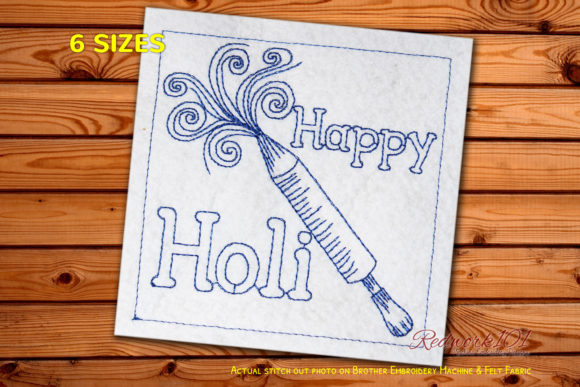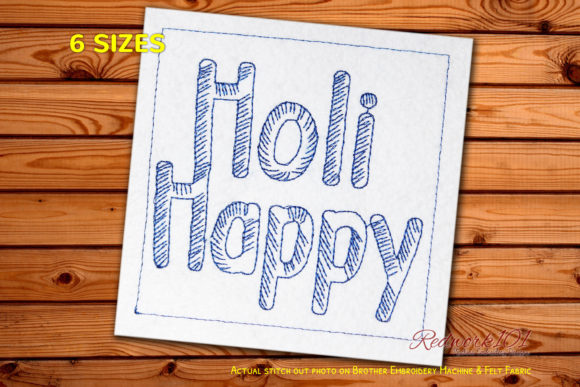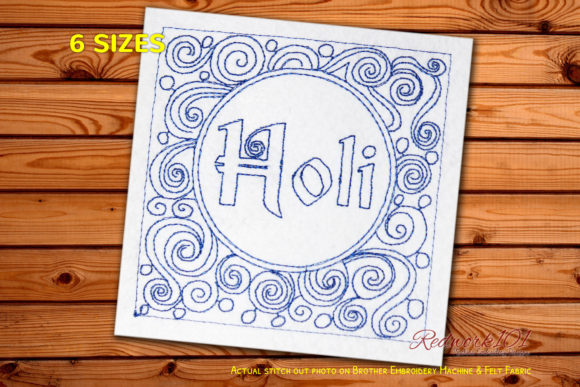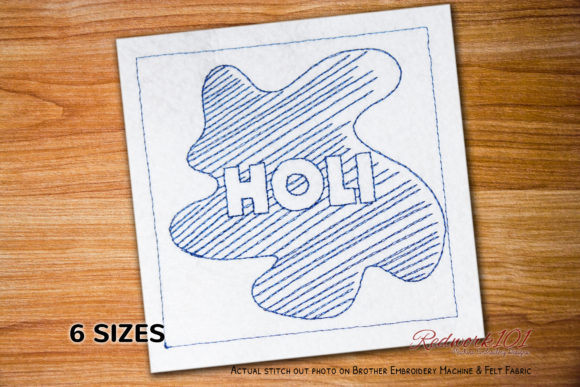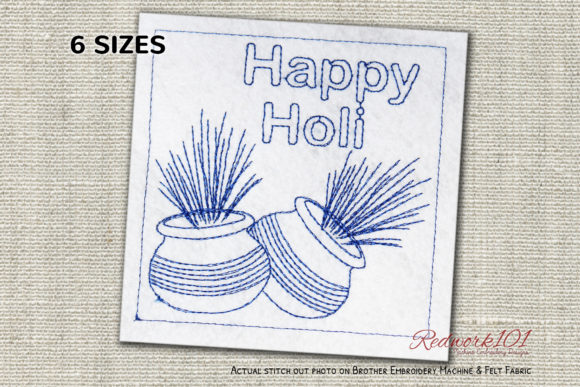
Holi Colorful Pots Redwork Embroidery Review
As an embroidery designer who has spent years building seasonal collections for shops and craft fairs, I know the difference between a design that sits in a digital folder and one that sells out before the holiday rush. I review Holi Colorful Pots Redwork with a practical eye: could this machine embroidery design earn its place in a holiday product lineup, attract buyers on Etsy, and stitch reliably across multiple fabric types? Let me walk through what I see, what I question, and what I would recommend before adding this embroidery file to a seasonal collection.
First Impressions: Seasonal Mood and Emotional Tone
The first thing I notice about Holi Colorful Pots Redwork is its name. Holi is the festival of color, but the redwork approach gives it a more restrained, vintage feel. The design leans into a festive yet elegant mood, balancing the playful energy of Holi with the cozy, handcrafted look of redwork stitching. The pots themselves carry a decorative, almost folk art character, making them suitable for home decor, kitchen towels, and pillow covers. The emotional tone is warm, nostalgic, and slightly spiritual, but also accessible enough for a modern personalized gift.
For a seasonal product creator, this design offers versatility. It doesn't scream a single holiday, so it can be marketed for Holi itself, spring celebrations, or even as a thoughtful housewarming or gift bundle item. The redwork style reduces the intimidation factor for buyers who worry about thread changes or complex stabilizer setups. That simplicity is a selling point for Etsy sellers and small shop product lines.
How Holi Colorful Pots Redwork Performs in Real Holiday Selling Situations
I have tested dozens of designs across holiday markets, and this one checks several boxes for commercial embroidery success. Let me break down specific scenarios:
- Gift bundles: The pots design works beautifully on dishtowels paired with a jar of spice or a small cooking utensil. The redwork theme keeps the gift cohesive and handmade.
- Etsy listings: The design's name includes "Redwork," which is a search-friendly term. Adding tags like "Holi embroidery," "holiday embroidery," and "festival gift" will help buyers find it. The optional box stitch is a bonus—sellers can offer two variations (with or without the box) in one listing.
- Craft fair displays: A set of kitchen towels with this design, displayed in a basket, draws attention. The redwork is visible from a distance, and the cultural theme stands out among generic floral designs.
- Limited edition apparel: On a sweatshirt or tote bag, Holi Colorful Pots Redwork becomes a statement piece. The redwork style is subtle enough for everyday wear but festive enough for a celebration.
- Family matching items: Parents can order matching aprons or pillow covers for their home. The design is not gender-specific, making it easy to market for family sets.
- Home decor: Pillow covers, table linens, and wall hangings are natural fits. The redwork allows the design to blend with various decor styles, from rustic to modern farmhouse.
- Personalized gifts: Adding a name or date beneath the pots is possible if the hoop size allows. This increases the giftability and perceived value.
- Social media previews: The design photographs well. A mockup of the finished product on a neutral background can drive engagement during holiday shopping periods.
- Printable mockups: Sellers can create printable mockup graphics showing the design on different items. The redwork's clean lines reproduce well in digital previews.
- Promotional graphics: The design's symmetry and simplicity make it easy to incorporate into banners, email headers, or Instagram carousels for a seasonal shop collection.
Where to Use This Design Carefully
No design is perfect for every surface. Based on my experience with machine embroidery design files, I recommend caution in these areas:
- Small hoop sizes: If the design is intended for a 4x4 hoop, the pot details may become too small to stitch cleanly. Always check the actual dimensions before selling finished products. The optional box stitch adds width, so confirm the hoop can accommodate it.
- Tiny lettering: The product description mentions "The color of outer Box is different color in most of the designs." If you plan to add lettering inside the box, test it. Tiny text can lose legibility, especially on textured fabrics.
- Layered details: The pots may have small elements like handles or decorative lines. If the stitch density is high, thick towels or fleece can cause thread breaks. Use a sharp needle and appropriate stabilizer.
- Dark fabric: Redwork typically uses red thread on light fabric. On dark fabric, the contrast may be lost. Consider using a white or metallic thread for a different effect, but test first.
- Metallic thread: If you want to add a festive touch, metallic thread can work, but it requires reduced speed and a topstitch needle. The design's density might not handle metallic well without adjustments.
- Stretchy garments: Sweatshirts and t-shirts need cutaway stabilizer to prevent the stitches from distorting. The redwork style is less dense than satin fills, so it may perform better than heavy designs, but always hoop carefully.
- Curved caps: Cap frames can be tricky. The pots design, if it is not too wide, could work on a side panel, but avoid centering it on a curved brim.
- Items needing repeated washing: Kitchen towels and baby items see frequent washing. Use a high-quality thread and a tight stitch length. The optional box stitch might add extra thread that could fray over time. Test wash a sample.
Seasonal Appeal, Buyer Emotion, and Product Value
When a customer sees Holi Colorful Pots Redwork, they should feel a connection to celebration, home, and handmade care. The design's seasonal appeal is strong for Holi and spring festivals, but it also works for general home decor or housewarming gifts. The emotion is subtle: not overly cute, not too serious, but warm and inviting. That balance helps buyer emotion align with a positive purchase decision.
Product value increases when the design feels exclusive and thoughtfully curated. Sellers can position this as a limited-edition offering for the Holi season, creating urgency. The giftability is high because the design is culturally specific yet artistically neutral. It does not require the recipient to be Hindu or Indian; it can be appreciated as decorative art.
Customer trust grows when a seller provides clear information about the design's optional box stitch and color variations. The product description says "The color of outer Box is different color in most of the designs unless it is part of the design itself, you can skip the color directly." This transparency helps buyers know exactly what they are getting. Include that note in your listing.
Visual recognition is important for building a brand. If you consistently use redwork designs for your seasonal collections, customers will start associating that style with your shop. Brand consistency across multiple products—towels, aprons, bags—creates a cohesive look that stands out in search results.
During holiday shopping periods, buyers are looking for unique, meaningful gifts. This design, with its cultural roots and redwork charm, can spark conversation. Photos of the finished product on a tote bag or pillow cover can generate engagement on social media, especially if you share the story behind the design.
Practical Embroidery Designer Notes for Sellers
Before you add Holi Colorful Pots Redwork to your seasonal product line, I recommend these steps based on my own testing process:
- Test thread colors on both light and dark fabric. The redwork style works best with a high-contrast red thread. On light fabric, a bright red or cherry red is safe. On dark fabric, consider a bright white or gold thread instead. Always stitch a sample.
- Check stitch density. Redwork usually has fewer stitches than satin fill, but confirm the file's density is appropriate for your fabric. High density on thin fabric can cause puckering. Low density on thick fabric can leave gaps.
- Confirm hoop size. If the design fits a 4x4 hoop, it is versatile for small items like hand towels or ornaments. If it requires a larger hoop, plan for tote bags, sweatshirts, or pillow covers. The optional box stitch may increase the design's dimensions, so measure both versions.
- Use proper stabilizer. For woven fabrics, use tear-away stabilizer. For knits, use cutaway. For towels, use a water-soluble topping to prevent stitches from sinking into the nap. The design's density should be stable enough for most applications if you choose the right stabilizer.
- Create realistic mockups. Photograph actual stitched samples, not just digital previews. Buyers want to see the thread texture and fabric drape. Printable mockup templates are helpful, but nothing beats a real photo.
- Review small details after stitching. Inspect the pot handles, any interior lines, and the optional box stitch. If the design has thin elements, they may need a slight increase in stitch width to avoid breaking during wear.
- Plan matching color palettes. Because the design is redwork, keep the thread color consistent. If you offer the box stitch in a different color, choose a complementary shade (e.g., dark blue, teal, or gold). Avoid using too many colors—it defeats the redwork aesthetic.
- Confirm commercial licensing. Before selling finished products, verify that the digital embroidery file includes commercial use rights. Many designers allow it, but some restrict to personal use. Read the license terms carefully. If unsure, contact the designer.
As an additional note: the product description states that "The Box Stitch shown in picture is optional." This is a great feature for offering variety. Sellers can stitch the design without the box for a simpler look, or with the box for a more framed appearance. The outer box color being different in most designs means you can customize it to match your product's color scheme. Just remember to skip the color if you want only the pots.
Final Thoughts on Adding to a Seasonal Collection
Holi Colorful Pots Redwork is a solid candidate for any holiday embroidery lineup. It is culturally relevant, aesthetically pleasing, and flexible enough for multiple product categories. Whether you are a small business owner building a spring collection, a handmade gift maker looking for a new design, or an apparel decorator testing the Asia market, this design has potential. The redwork style keeps production simple, which is a major advantage for embroidery sellers who want to offer handmade goods without excessive thread changes or complex setups.
I appreciate that the design's description does not overpromise. It clearly notes the optional box stitch and the color variation. As a designer, that transparency tells me the creator understands real-world stitching. I would recommend this embroidery file to clients who want a festive yet refined design for their seasonal embroidery projects. Just remember to test your fabric, hoop size, and stabilizer before committing to a large production run. With the right preparation, Holi Colorful Pots Redwork can become a bestseller in your small shop product line.