Holi with Colors Redwork: A Designer’s Review for Business Merch
When I first opened the Holi with Colors Redwork embroidery file, I was struck by its clean, celebratory energy. As someone who has spent years digitizing and testing machine embroidery designs for small businesses, I know that a design must do more than look pretty on screen—it needs to translate into a finished product that builds brand identity and holds up under real-world use. This review comes from the perspective of an embroidery designer who has worked with cafes, boutiques, pet brands, and handmade shops, evaluating whether Holi with Colors Redwork is a smart addition to your small business merch lineup.
First Impression: Professional, Playful, and Purposeful
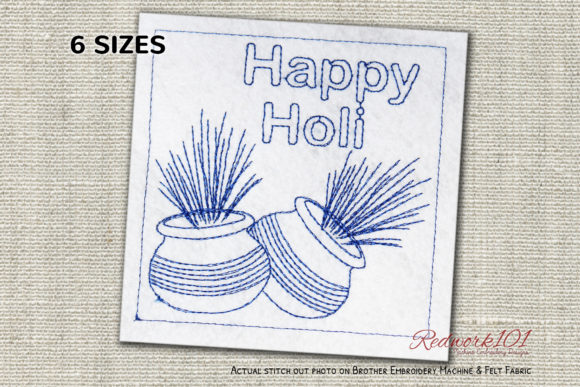
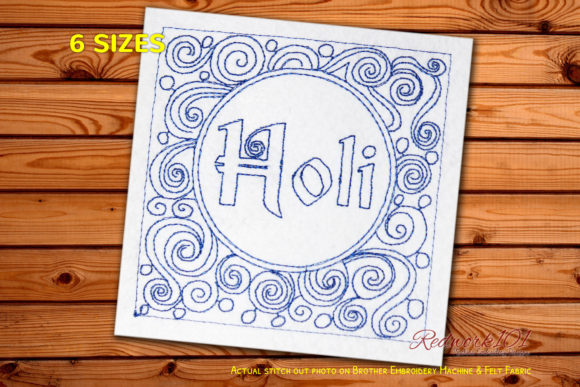
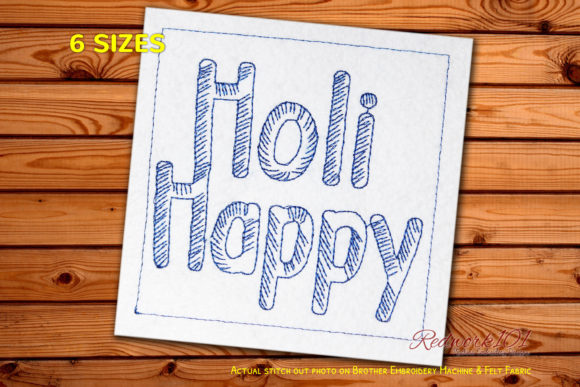
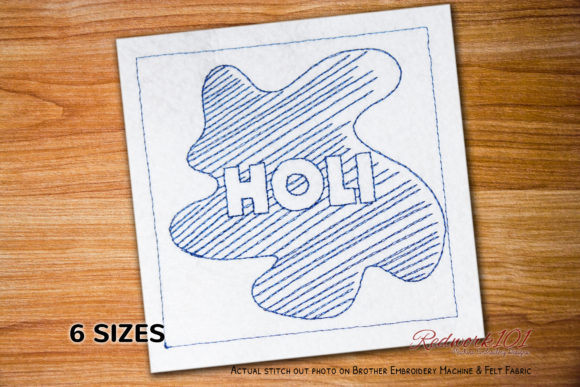
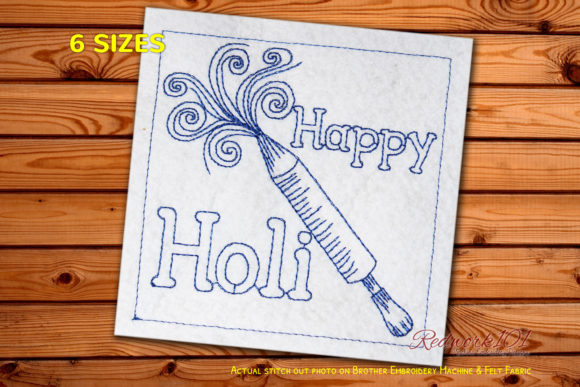
The name Holi with Colors Redwork immediately suggests a festival of color, but the redwork technique anchors it in a classic, understated style. My first impression is that this design balances handmade charm with a structured, clean outline—making it feel both premium and approachable. It is not overly ornate or fussy, which is a strong advantage for commercial embroidery. The optional box stitch described in the listing adds flexibility: you can frame the design for a more polished embroidered patch look or leave it open for a softer, more organic appearance on custom apparel. This design reads as friendly and bold without being childish, making it suitable for a wide range of businesses, from a creative studio to a local bakery or a florist.
Real Business Use: Where Holi with Colors Redwork Shines
In my experience, the best machine embroidery design for small business owners is one that adapts to multiple surfaces. Holi with Colors Redwork performs exceptionally well in several real-world scenarios:
- Embroidered patches: The clean, defined lines make it ideal for patch production. Whether you are creating iron-on patches for Etsy sellers or sew-on patches for staff uniforms, the design holds its shape without losing detail. The optional box stitch can serve as a border, giving the patch a finished, professional edge.
- Caps and curved surfaces: Cap embroidery is notoriously tricky because of the curvature and limited space. Holi with Colors Redwork works well on cap fronts when scaled appropriately, provided the stitch density is not too high. The redwork style keeps the design light, which helps it conform to the curve without distortion.
- Aprons and workwear: For a local café or handmade shop, aprons are a blank canvas. This design adds a touch of brand identity without overwhelming the garment. It reads as artisan and thoughtful, which resonates with customers who value handmade product quality.
- Tote bags: Tote bags are a staple of small business merch, and Holi with Colors Redwork sits beautifully on canvas or cotton totes. The design’s moderate size means it can serve as a central motif or a subtle accent near the top edge.
- Product packaging accents: I have seen businesses use small embroidery designs as labels on handmade product packaging, such as tea towels, soap wraps, or gift tags. The digital embroidery file can be stitched directly onto fabric labels or small patches that are then sewn onto packaging.
For apparel decorators and merch creators, this design is versatile enough to appear on work shirts, sleeve details, or chest logo accents. It does not demand a large hoop size, which is a practical advantage for shops that work with multiple garment types.
Where to Use Holi with Colors Redwork Carefully
Even the best embroidery file has limitations, and Holi with Colors Redwork is no exception. Here are scenarios where I recommend caution:
- Small patch sizes: If you plan to scale the design down significantly for a tiny patch or a cap front, test it first. The redwork style relies on clean lines, and if the design becomes too small, those lines may blur or lose definition. Always create a printable mockup at the intended size before stitching.
- High stitch density areas: While the overall design is not overly dense, any filled areas or tight details can cause fabric texture issues, especially on lightweight materials. Use a proper stabilizer—a cutaway stabilizer for knits and a tearaway for wovens—to prevent puckering.
- Dark uniforms: The thread colors in Holi with Colors Redwork may be vibrant, but on dark or black garments, you need to ensure thread color contrast is sufficient. Redwork traditionally uses red thread, but for brand identity, you might want to test with a lighter or metallic thread against dark backgrounds.
- Frequent washing items: For items like aprons, tote bags, or uniforms that are washed often, check the stitch density and thread type. Polyester thread tends to hold color better than cotton, and a denser design may shrink or distort after repeated laundering. Always test on a sample garment before committing to a bulk order.
- Curved or textured fabric: If you are stitching on terry cloth, fleece, or heavily textured fabric, the redwork lines may sink into the nap. Test on a scrap piece first to see how the design reads on the final surface.
How Holi with Colors Redwork Affects Brand Identity and Customer Trust
In the world of small business merch, every design element contributes to how customers perceive your brand. Holi with Colors Redwork carries a playful yet professional energy that can elevate a business from ordinary to memorable. For a pet brand, it might feel too festive, but for a creative studio, florist, or handmade shop, it communicates joy, craftsmanship, and attention to detail.
When customers see a well-executed embroidered patch or apron embroidery featuring this design, they subconsciously associate the business with quality and care. This is especially important for Etsy sellers and craft business assets where the handmade product market is crowded. A distinct, well-stitched design can be the difference between a one-time buyer and a loyal customer.
Moreover, visual consistency across your design assets—from patches to tote bags to caps—builds recognition. If you use Holi with Colors Redwork on multiple items, customers will start to identify your brand by that motif. It becomes a branded patch that tells a story: one of celebration, color, and thoughtful design. The Asia category of this design also adds a layer of cultural richness, which can be a meaningful conversation starter for businesses that want to highlight cultural inspiration or global aesthetics in their branding.
Practical Designer Notes for Production
Before you send Holi with Colors Redwork to production, here are my hands-on recommendations based on years of machine embroidery design testing:
- Test in black and white first: Before committing to the full color palette, stitch a monochrome version. This helps you evaluate the stitch density, spacing, and overall structure without the distraction of color. If the design looks clean in black and white, it will likely perform well in color.
- Check if it works at small patch size: Scale the design to your intended patch dimensions and stitch a sample. Pay attention to whether any fine details or tiny lettering become lost. If the design includes any text or intricate elements, ensure they remain legible at the target size.
- Review thread color contrast: The thread colors you choose should stand out against your garment or base fabric. For Holi with Colors Redwork, the redwork style typically uses a single dominant color, but the optional box stitch may introduce a second color. Test the contrast on both light and dark backgrounds.
- Inspect spacing and underlay: Look at the spacing between elements. If lines are too close together, the fabric texture may cause them to blend. Also, check that the underlay is adequate for the fabric type—especially for cap embroidery or stretchy knits.
- Confirm hoop size: The hoop size required for this design should be within your standard range. If you are a small shop with limited hoops, verify that the design fits efficiently without wasting material.
- Test on real fabric: Always stitch a sample on the actual fabric you plan to use. Printable mockup images are helpful for client approval, but nothing replaces a real stitch-out. This is especially important for commercial embroidery where bulk orders are at stake.
- Use proper stabilizer: For items like tote bag design or apron embroidery, a medium-weight cutaway stabilizer is usually safe. For caps, a stiff, non-woven stabilizer helps maintain shape. Adjust the stabilizer type based on fabric weight and stretch.
- Create a mockup for client approval: Before stitching a full run, create a printable mockup showing the design on the actual product. This helps the client visualize the finished product and reduces the risk of costly revisions.
- Compare it beside other design assets: If you already use other design assets in your branding, place Holi with Colors Redwork next to them to ensure consistency in style, scale, and visual weight. A cohesive look across all merch strengthens brand identity.
- Confirm commercial licensing before business use: This is crucial. Before using the digital embroidery file for small business merch or commercial embroidery, verify the license terms. Some files are for personal use only, and using them for business merchandise without proper licensing can lead to legal issues. If the listing does not clearly state commercial rights, contact the seller or assume you need a separate license.
Final Thoughts on Holi with Colors Redwork for Small Business Merch
Holi with Colors Redwork is a machine embroidery design that offers genuine value for small business owners, embroidery shops, apparel decorators, and handmade brands. Its redwork style gives it a classic yet playful personality that works across a range of products—from embroidered patches to tote bags to cap embroidery. It is not a design that screams for attention, but rather one that earns it through craftsmanship and consistency.
For businesses that want to infuse their brand identity with a sense of joy, color, and cultural appreciation, this design is a strong contender. The Asia category inspiration adds depth to the story behind the product, which can be a powerful marketing angle for Etsy sellers and craft business assets. However, as with any embroidery file, success depends on proper testing, the right stabilizer, and careful thread color selection.
In my professional opinion, Holi with Colors Redwork is a solid addition to any small business merch lineup—provided you take the time to test it at your intended size, on your chosen fabric, and with your specific hoop size. When done right, it will elevate your products, build customer trust, and make your brand feel premium and intentional. That is the kind of design that turns a finished product into a lasting impression.