Rhaphidophoridae Bluework: A Designer's Review
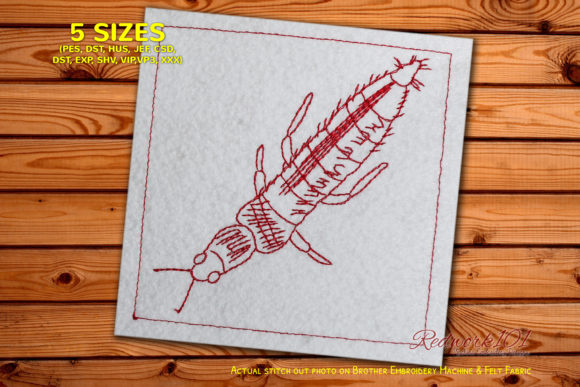
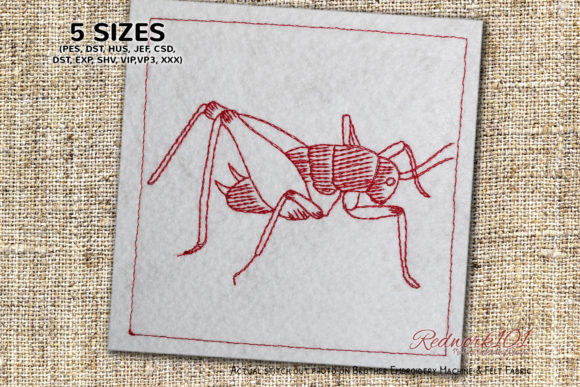
When I first opened the embroidery file for Rhaphidophoridae Bluework, I admit I paused. As someone who runs a small personalized gift shop and tests dozens of machine embroidery designs each month, I have learned to trust my first impression. This design is a bluework interpretation of a creature from the Rhaphidophoridae family — a cave cricket — and it carries an unexpected charm that feels both whimsical and grounded. It is not the typical floral or monogram you see on every baby blanket or wedding gift. It is something different, something that sparks curiosity. And in the world of personalized gifts, curiosity often leads to purchase.
This design leans toward the playful and handmade side of the spectrum. It is not overly sweet or romantic, but it has a quiet elegance in its bluework styling. The monochromatic blue thread palette gives it a classic, almost vintage feel, while the subject matter keeps it fresh and modern. For an Etsy seller or small shop owner looking to stand out, Rhaphidophoridae Bluework offers a unique angle that can attract customers who want something beyond the ordinary.
First Impressions: Mood, Detail, and Emotional Appeal
The mood of this design is lighthearted yet thoughtful. The bluework technique relies on a single color family, which creates a cohesive, calming visual. The detail level is moderate — enough to capture the defining features of the insect without becoming overly dense or stiff. This balance is important for machine embroidery, especially when you are stitching on products that need to feel soft and flexible, like baby blankets or kitchen towels.
What stands out most is the emotional appeal. A bug design might not seem like an obvious choice for a gift, but when executed in bluework, it becomes a conversation piece. It feels intentional, artistic, and personal. Customers who are looking for a baby embroidery design that is not the usual teddy bear or bunny will be drawn to this. The same goes for wedding gifts — a couple who loves nature, entomology, or simply unique decor will appreciate the thoughtfulness behind this design.
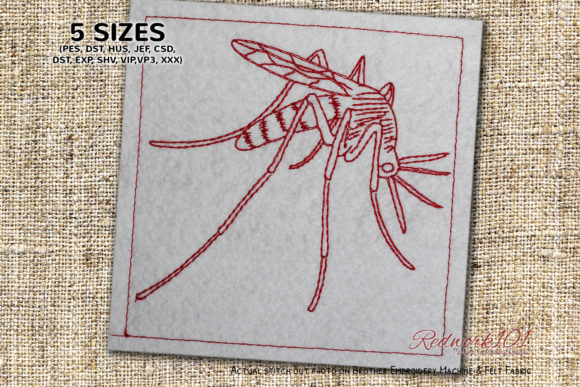
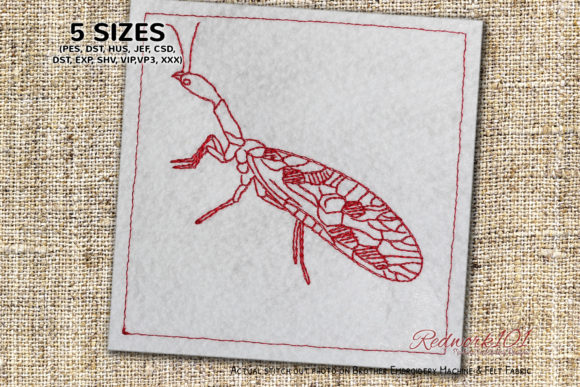
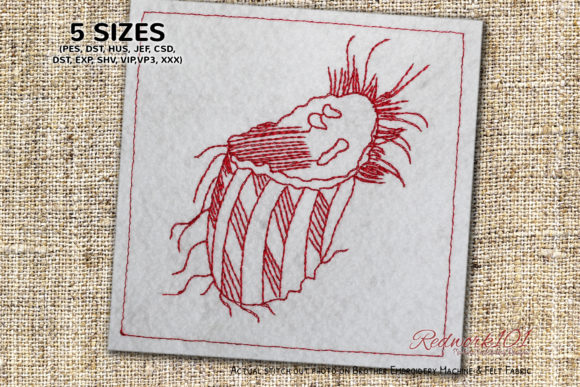
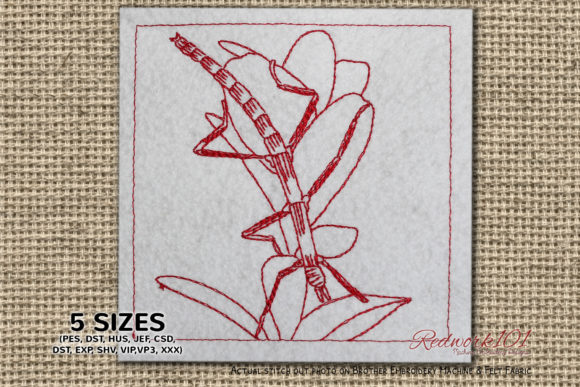
I also appreciate that the Box Stitch shown in the product image is optional. This gives me flexibility as a designer. I can choose to include the outer box for a more structured, framed look, or I can stitch the design alone for a softer, more organic appearance. The note about the outer box color being different from the design itself is helpful — it means I can customize the box color to match the project, or skip it entirely if the design speaks for itself.
How Rhaphidophoridae Bluework Fits Into a Gift Shop Collection
After stitching this design on several test pieces, I started thinking about how to position it in my shop. Here are the product categories where I believe Rhaphidophoridae Bluework will shine:
- Baby embroidery — on onesies, burp cloths, and nursery decor for parents who love nature and unique designs.
- Wedding gifts — on pillow covers, tote bags, or personalized towels for couples who appreciate handmade artistry.
- Family keepsakes — on blankets or wall art that tell a story about the recipient's interests or heritage.
- Personalized towels — the bluework style holds up well on terry cloth when properly stabilized.
- Nursery decor — framed hoops or quilt squares featuring this design add a modern, artistic touch.
- Tote bags and aprons — perfect for craft fair products and custom orders that need a bold, memorable motif.
- Pillow covers and blanket embroidery — the design's moderate density makes it suitable for items that will be handled and washed.
For Etsy sellers, this design is a strong addition to a digital embroidery file collection. It also works well as a printable mockup for listing photos, helping customers visualize the finished product. I have already started using it in my own mockups, and the response from repeat buyers has been positive.
Where to Use This Design With Care
Not every surface is ideal for Rhaphidophoridae Bluework. After several test stitch-outs, I want to share some practical notes for anyone planning to use this design on customer orders.
Small Lettering and Delicate Details
The design includes some fine lines and small elements. If you are stitching on a product with very small lettering or extremely delicate details, be sure to test on scrap fabric first. The bluework style relies on clean, even stitching, and any distortion in the fabric can affect the final look.
Textured Fabric
Fabrics with heavy texture, like thick towels or bouclé blankets, can cause the stitches to sink or lose definition. Use a cutaway stabilizer and a sharp needle to maintain clarity. I recommend testing on a sample of the actual fabric before committing to a batch of custom orders.
Stretchy Baby Clothes
Onesies and stretchy knits require careful hooping and a stabilizer that can handle movement. The design's stitch density is moderate, but if the fabric shifts, the details can become distorted. A sticky stabilizer or a layer of tearaway underneath can help.
Curved Surfaces
Products like baby bibs, hats, or curved pillow covers can be tricky. The design has a balanced shape, but if you are stitching on a curved surface, use a hoop that fits the area snugly and check the registration as you go.
Dark Fabric
Because this is a bluework design, thread color contrast is essential. On dark fabric, the blue thread may not stand out as clearly. I recommend stitching a test on a dark swatch and adjusting the thread color or adding a subtle outline if needed. A lighter blue or even a white thread can create a striking effect on dark backgrounds.
Products That Need Frequent Washing
For items like kitchen towels, baby blankets, and aprons that will be washed often, use a high-quality thread and a stabilizer that can withstand repeated laundering. The design's moderate density helps it hold up well, but I always advise customers to wash embroidered items inside out in cold water and air dry when possible.
How This Design Affects Giftability and Perceived Value
In my experience, the perceived value of a personalized gift is directly tied to the uniqueness of the embroidery design. A mass-produced design feels generic. A carefully chosen, artistic design like Rhaphidophoridae Bluework signals that the giver put thought into the gift. This emotional connection is what drives customer trust and repeat business.
For handmade sellers and small business owners, this design offers several advantages:
- Strong visual appeal — the bluework style photographs beautifully for product listings and social media.
- Conversation starter — the unusual subject matter invites questions and engagement from buyers.
- Versatile gifting — it works for a wide range of recipients, from nature lovers to design enthusiasts.
- Customizable — the optional Box Stitch and the ability to skip or change the outer box color mean you can adapt the design to different projects.
When I photograph my finished products featuring this design, I notice that the bluework creates a soft, elegant contrast against neutral fabrics. This makes product photography easier and more appealing, which is a huge plus for Etsy listings and craft fair displays.
Practical Embroidery Notes for a Smooth Stitch-Out
Before you use Rhaphidophoridae Bluework on a customer order, here are the steps I recommend based on my own testing:
- Test on scrap fabric first. Always stitch a sample on the same fabric you plan to use for the final product. This is the only way to see how the design behaves with your machine and thread.
- Check thread color contrast. The bluework effect relies on a single color, so make sure the thread stands out against the fabric. Test on both light and dark fabric to see how the design reads.
- Confirm hoop size. Make sure the design fits within your hoop without crowding the edges. If the design includes the optional Box Stitch, account for the extra space.
- Review stitch density. The design has a moderate density, which is good for most fabrics. If you are stitching on a very lightweight or delicate fabric, consider using a lighter stabilizer or reducing the density slightly in your software.
- Use proper stabilizer. For most woven fabrics, a cutaway stabilizer is best. For knits and stretchy fabrics, use a sticky stabilizer or a combination of tearaway and cutaway.
- Compare light and dark fabric mockups. Stitch the design on a light fabric and a dark fabric to see how the color and details change. This will help you advise customers on fabric choices.
- Check small details after stitching. Inspect the design closely for any skipped stitches, thread breaks, or distortion. Make adjustments before stitching the final product.
- Confirm commercial licensing. Before selling finished products with this design, verify that your embroidery file includes commercial use rights. This protects your business and ensures you are using the design legally.
Final Thoughts Before Adding This to Your Shop
Rhaphidophoridae Bluework is not a design for everyone, and that is exactly its strength. It appeals to a specific kind of customer — one who values originality, artistry, and the handmade quality that machine embroidery can achieve. For gift shop owners, Etsy sellers, and small businesses, this design offers a way to differentiate your product line and attract buyers who are looking for something memorable.
The optional Box Stitch and the flexibility around the outer box color give you room to customize each project. Whether you are creating a baby embroidery piece for a nature-loving parent or a wedding gift for a couple who appreciates unique decor, this design delivers a thoughtful, finished look that customers will treasure.
I have added it to my own shop rotation, and I plan to use it for both digital embroidery file sales and finished product orders. If you are looking for a design that blends playful subject matter with elegant bluework technique, this one is worth a closer look. Stitch a test, try it on a few different fabrics, and see how it resonates with your customers. I think you will be pleasantly surprised.