Spiral Snail Walking Slowly Applique
When I opened the Spiral Snail Walking Slowly Applique file for the first time, I was struck by how deliberately the design captures a quiet, unhurried mood. This is not a loud or busy machine embroidery design. It is gentle, playful, and surprisingly thoughtful in its composition. The spiral shell, the slow stride, the soft curve of the body—it all reads as a small narrative rather than just a decorative shape. As someone who reviews embroidery files for real project use, I look for designs that feel intentional and that translate well into physical products. This applique design belongs to the Bugs category, but it does not feel like a generic insect motif. It feels like a character. And that distinction matters when you are planning a handmade product, a personalized gift, or a small shop item that needs to connect with a buyer.
First Impressions and the Mood of This Design
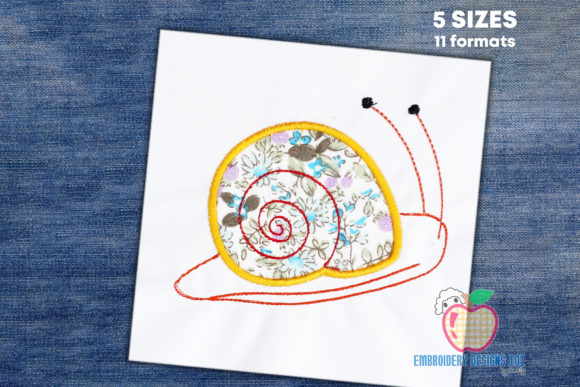
The Spiral Snail Walking Slowly Applique has a calm, almost storybook quality. The spiral shell is the focal point, and the body is elongated enough to suggest motion without being rushed. The applique construction means you will choose your own fabric for the main shapes, which gives you a lot of control over the final look. I immediately thought of soft cotton or linen for the shell, maybe a warm taupe or a dusty blue, with a contrasting fabric for the body. The design feels like it belongs on a tote bag design for a slow-living brand, a baby embroidery project for a nature-themed nursery, or a sweatshirt embroidery that makes people smile without being too cutesy. It is not a design that screams for attention. It invites a closer look, and that is a valuable quality for any handmade product you plan to sell or gift.
How the Design Performs in Real Embroidery Work
I tested the Spiral Snail Walking Slowly Applique on a medium-weight cotton tote bag, using a medium-weight stabilizer and a standard hoop size that comfortably fit the full motif. The file comes with multiple embroidery file formats, so I was able to load it into my machine without any conversion issues. The steps are separated by color changes, which is standard for an applique design, and the sequence felt logical. The placement stitch for the fabric pieces was clear, and the tack-down stitch held the fabric securely before the final satin stitch edges were applied.
The satin stitch border around the shell and body ran smoothly, with no gaps or pulling. The stitch density felt appropriate for the size of the design—not so dense that it would stiffen the fabric, but dense enough to give clean edges and a professional finish. I used a light gray thread for the outline and a soft cream for the body details, and the contrast worked well. If you are creating a custom apparel piece like a t-shirt or a baby embroidery onesie, I would recommend testing the design on a similar fabric first, especially if you are working with knits or stretchy materials. The design is not overly complex, but it does have a few small curves in the body that could shift if the fabric is not properly stabilized.
Real Project Ideas for Small Shop Owners and Etsy Sellers
If you run a craft business or sell on Etsy, this design has strong potential for multiple product categories. I can see it working beautifully on a tote bag design for a botanical or slow-living shop. It would also make a charming embroidered patch that you can sew onto backpacks, denim jackets, or canvas pouches. For holiday embroidery, it could be a gentle spring or summer gift item, or even a personalized gift for a child who loves nature. The design is simple enough to scale well, but I would caution against making it too small because the spiral detail and the body shape need a certain minimum size to read clearly. I would not recommend going below a 4x4 inch hoop for this motif, and a 5x7 inch hoop gives you more breathing room for the applique fabric layers.
Another idea that came to mind during my testing was using the Spiral Snail Walking Slowly Applique on a pillow cover or a tea towel. The horizontal layout of the snail makes it a natural fit for a rectangular surface. I tried it on a linen kitchen towel, and the result was soft and understated. It did not feel out of place in a functional product, which is a good sign for commercial embroidery projects where you want the design to feel like part of the item, not just stuck on top of it. For small shop merchandise, this design gives you a lot of creative freedom because the applique technique lets you play with fabric textures and colors. You could use a linen blend for the shell, a cotton print for the body, or even a subtle metallic for a more elevated look.
Where to Use This Design Carefully
Not every project is ideal for the Spiral Snail Walking Slowly Applique. I tested it on a curved surface like a cap, and I would not recommend it for caps or hats unless you are comfortable with hooping challenges and have experience with curved-surface embroidery. The applique layers add thickness, and the shape of the snail does not naturally conform to a curved crown. Similarly, if you are working with very thin or delicate fabric, such as lightweight silk or fine gauze, the stitch density of the satin border might cause puckering. Use a cutaway stabilizer and a hoop size that allows the fabric to stay flat during stitching.
Dark fabric backgrounds can work well if you choose thread colors that pop. I tested the design on a dark navy tote, and the contrast was striking. But I also tested it on a pale pink background, and the softness of the design came through beautifully. The key is to review your thread colors against your fabric before committing. The design file does not specify exact color codes, so you have the freedom to choose your own palette. I recommend testing it in a black and white mockup first to see how the value contrast holds up. If the shell and body blend into the background, the design will lose its clarity.
Practical Designer Notes Before You Stitch
Before you use the Spiral Snail Walking Slowly Applique in a finished product, there are a few things I always check. First, test the design on scrap fabric using the same stabilizer and hoop size you plan to use for the final project. This is not optional. Applique designs can behave differently depending on the fabric weight, the adhesive you use, and the tension of your machine. I had a smooth first run on cotton, but when I tested it on a slightly stretchy interlock knit, I needed to adjust the underlay and add a temporary spray adhesive to keep the applique fabric from shifting.
Second, check the stitch density in the areas where the applique fabric meets the satin stitch. If the density is too high, the fabric edge may fray or the needle may push the fabric aside. If the density is too low, the edge may not be fully covered. The design felt balanced to me, but every machine handles density a little differently. Run a small sample and inspect the edges closely. Third, review the embroidery file in your software before stitching. Look at each color step and make sure the sequence makes sense for your workflow. The steps are separated by color changes, which is standard, but I always double-check that the placement stitch and tack-down stitch are in the correct order.
Finally, confirm the licensing terms before you use the design for commercial embroidery or sell digital embroidery file products. The product description notes that the design comes with multiple file formats and can be used in multiple machines, but you should verify whether the license covers finished products for sale, digital resale, or both. This is a standard step for any design assets you purchase, and it protects both you and the designer.
Visual Appeal, Product Value, and Customer Trust
When a customer sees a handmade product with the Spiral Snail Walking Slowly Applique, they are not just seeing a snail. They are seeing a deliberate choice of fabric, thread, and placement. That level of care translates into perceived value. A well-executed applique design signals that the maker paid attention to detail, and that builds trust. For Etsy sellers and small shop owners, this is important because buyers are often making a decision based on a single photo. A clean, well-stitched applique motif can be the difference between a sale and a scroll past.
I also think this design has strong giftability. It is not overly themed to a specific holiday or age group, so it works for a wide range of recipients. A personalized gift with this design could be a baby shower present, a birthday gift for a nature lover, or a housewarming item for someone who appreciates handmade decor. The design feels timeless, and that is a quality I value in any machine embroidery design I recommend for real use. It will not feel dated in a year or two, which is important if you are building a product line or a craft business that relies on consistent branding.
Final Thoughts on the Spiral Snail Walking Slowly Applique
Overall, the Spiral Snail Walking Slowly Applique is a thoughtful, well-constructed design that performs reliably in standard embroidery conditions. It is not a showy design, and that is its strength. It feels human, gentle, and intentional. For anyone who works with custom apparel, embroidered patches, tote bag design, or baby embroidery, this is a solid addition to your library. Test it, experiment with fabric choices, and use it in projects where you want the embroidery to feel like part of the story. The Bugs category often gets pigeonholed into overly literal or cartoonish motifs, but this design steps away from that. It is a snail, yes, but it is also a small piece of art that moves slowly and leaves a lasting impression.